Tesla has extended its Robotaxi operating hours in Austin by an hour, and the Cybercab fleet there is growing quickly. The official Robotaxi account announced on X that the service is now available until 11 p.m. in Tesla’s home city, and Elon Musk confirmed that closing hours have moved from the previous 10 p.m.
Tesla is still targeting 24/7 Robotaxi operations as early as this month, coinciding with the release of FSD v15 on Robotaxi vehicles. Extending operating time by just one hour this time around suggests Tesla is easing into it.
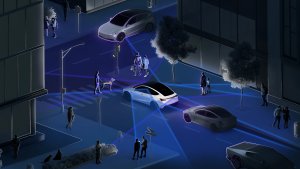
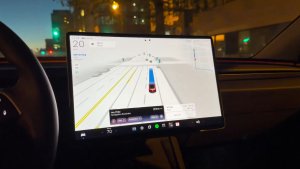
Musk also explained what’s holding things back. Identifying and avoiding pets and animals on the road is the main thing Tesla is trying to solve for nighttime driving, so the system knows how to deal with “grey kittens on grey tarmac in the dark,” as Musk explained it. He later added that Tesla is just being “extremely careful with autonomous safety.”
Austin’s Cybercab Fleet Keeps Growing
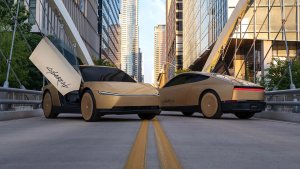
The Cybercab fleet is growing much faster than the hours. During the week of September 21, registered Cybercabs jumped from 58 on Monday to 125 by that Friday, per Texas DMV data. Tesla also sent a Robotaxi app notification to riders in Austin that week saying the Cybercab fleet had doubled, and the fleet crossed 100 vehicles for the first time.
The pace has continued. Tesla added 111 Cybercabs over the span of the past two weeks alone, including 43 just between October 1 and 2. The total number of Cybercabs registered to operate in Austin now stands at 169 — nearly four times the number registered at launch, and no major issues have been reported since rides began a month ago.
Not a Tesla App
Where Could Cybercabs Go Next?
Austin remains the only Robotaxi market where Tesla offers commercial rides in steering wheel-less Cybercabs. With the fleet now exceeding 150 vehicles, Tesla might have enough of them active to look at a second city.
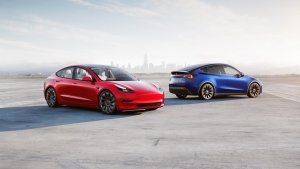
Houston and Dallas are the obvious candidates, since both are nearby and already offer unsupervised Model Y robotaxi rides. Miami is another strong possibility, where a large Cybercab nest was spotted in recent weeks.
Watch for three things over the next few weeks: whether Robotaxi hours keep stretching later into the night, if FSD v15 arrives in time to make 24/7 service official, and how many more Cybercabs Tesla deploys in Austin before bringing them to another city.
Tesla’s biggest nighttime challenge for FSD isn’t traffic or lane lines. It’s a pet that blends into the road. According to Elon Musk, avoiding pets in the dark is the main thing Tesla is trying to solve right now before it starts operating robotaxis 24/7.
Musk shared the update on X, saying the goal is “making sure that we don’t run over pets when they’re hard to see at night.” He then described the exact scenario Tesla is targeting: “grey kittens on grey tarmac in the dark.”
Why Edge Cases Matter for FSD
What Musk described sounds like an extremely rare situation, but that’s the point. Technology only becomes autonomous when it’s built for edge cases, not just everyday driving, and Tesla has taken that approach with FSD and its Robotaxi software. A gray kitten on dark asphalt tests how well the cameras and neural network work together when there’s almost no contrast to work with. It’s all about the rule of nines — the only way to make sure the software works as intended as close to 100% of the time as possible is to train it for every potential edge case.
Musk has also pushed back on the idea of adding extra hardware like thermal cameras. In his view, regular cameras can see “very well in the dark when AI is doing the photon count analysis.” In other words, he expects the software to pull enough detail out of very little light to accurately identify and stop for our furry little friends.
How This Ties Into FSD v15 and Robotaxi
The timing is worth watching. Tesla VP of AI Ashok Elluswamy recently said that Robotaxis will get FSD v15 this month, unlocking 24/7 commercial operations. While Tesla has increased Robotaxi hours since launch, the latest expansion was just one hour. It remains to be seen whether round-the-clock service is still possible this month if nighttime driving is still being figured out. Musk didn’t say whether this work is tied to the v15 timeline.
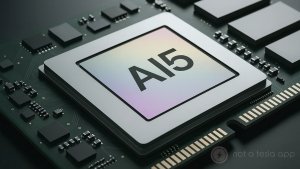
FSD v15 is a 10x parameter upgrade, taking the neural network to about 10 billion parameters from roughly one billion today. It will debut on Robotaxi vehicles before eventually making its way to consumer vehicles. Tesla previously said some Robotaxi vehicles were already testing early v15 builds in the wild, with Elluswamy pointing to October for a fleet-wide rollout.
If Tesla can reliably spot a gray kitten on gray tarmac, 24/7 commercial service gets much easier to justify. Robotaxi operating hours over the next few weeks should show how close it really is.