
Tesla has launched a new Robotaxi Vehicle Safety Report website, and it reveals more than just safety stats. The page names the next four cities getting Robotaxi service, shows a live counter of miles driven autonomously, and breaks down how far the fleet has driven in each city it operates in.
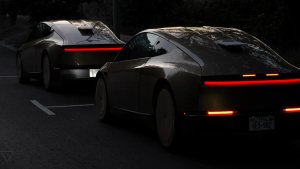
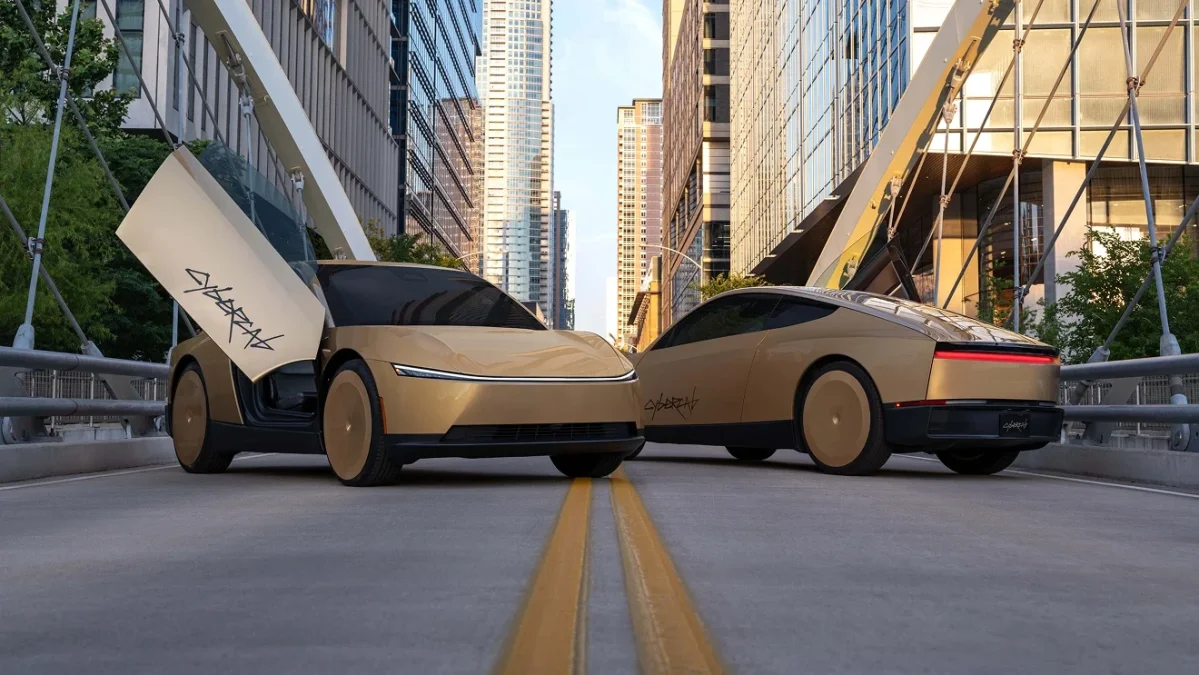
The data covers January 22 through October 18, 2026, and includes both retrofitted Model Y robotaxis and purpose-built Cybercabs. Tesla now has more than 300 Cybercabs in Austin, with Dallas next in line.

Four New Robotaxi Cities on the Way
Tesla lists Las Vegas, Jacksonville, Phoenix, and San Antonio as coming soon. Phoenix and Las Vegas aren’t surprises. Tesla has been staging for a Robotaxi launch in Phoenix for months, and Las Vegas has been on the roadmap since early this year. Jacksonville and San Antonio are new additions.
Tesla didn’t share launch dates for any of them.
3.1 Million Autonomous Miles
As of October 18, the Robotaxi fleet had driven 3.1 million miles autonomously, and the live counter on Tesla’s site has already passed 3.3 million at the time of writing. A chart on the page shows those miles climbing sharply since the summer.

Here’s how the miles break down by city:
Austin, TX: 2,118,015 miles
Dallas, TX: 608,130 miles
Houston, TX: 225,964 miles
Orlando, FL: 61,053 miles
Tampa, FL: 53,117 miles
Miami, FL: 46,262 miles

Tesla offers Robotaxi service in seven U.S. markets, but the report only lists six. It leaves out the San Francisco Bay Area, where regulations require a safety driver behind the wheel, so rides there aren’t fully autonomous.
Tesla also says the fleet has logged 862,000 miles after dark, 113,000 miles in the rain, and 575,000 miles during rush hour.
Zero Injuries So Far
Tesla’s safety numbers are all zeroes: no people injured by a Robotaxi, no airbag deployments, and no pedestrians or cyclists hit. For comparison, Tesla says human drivers could have caused 9.1 collisions with injuries, 4.1 collisions with airbag deployments, and 0.52 collisions with pedestrians or cyclists over the same number of miles.
Tesla has just released another new video compilation of its fully autonomous/unsupervised Robotaxis (including Cybercabs and Model Ys) stopping for emergency vehicles and responding to real-world situations. pic.twitter.com/lY54Peby8p
— Sawyer Merritt (@SawyerMerritt) October 21, 2026
The page also notes that each vehicle’s neural network processes over a million pixels of visual data every millisecond, using a 360-degree camera view.
The report comes as NHTSA reviews claims that Robotaxis sped through active school zones. None of those incidents involved a collision or injury.
With Austin rides now running until midnight and the fleet set to get FSD v15 and 24/7 service soon, the mile counter should climb even faster as more cities come online.
Follow Us on Google
Add Not a Tesla App as a preferred source on Google to see more of our stories in Top Stories.
Add to Preferred SourcesOrdering a New Tesla?
Get FSD free for 3 months by using our referral code.