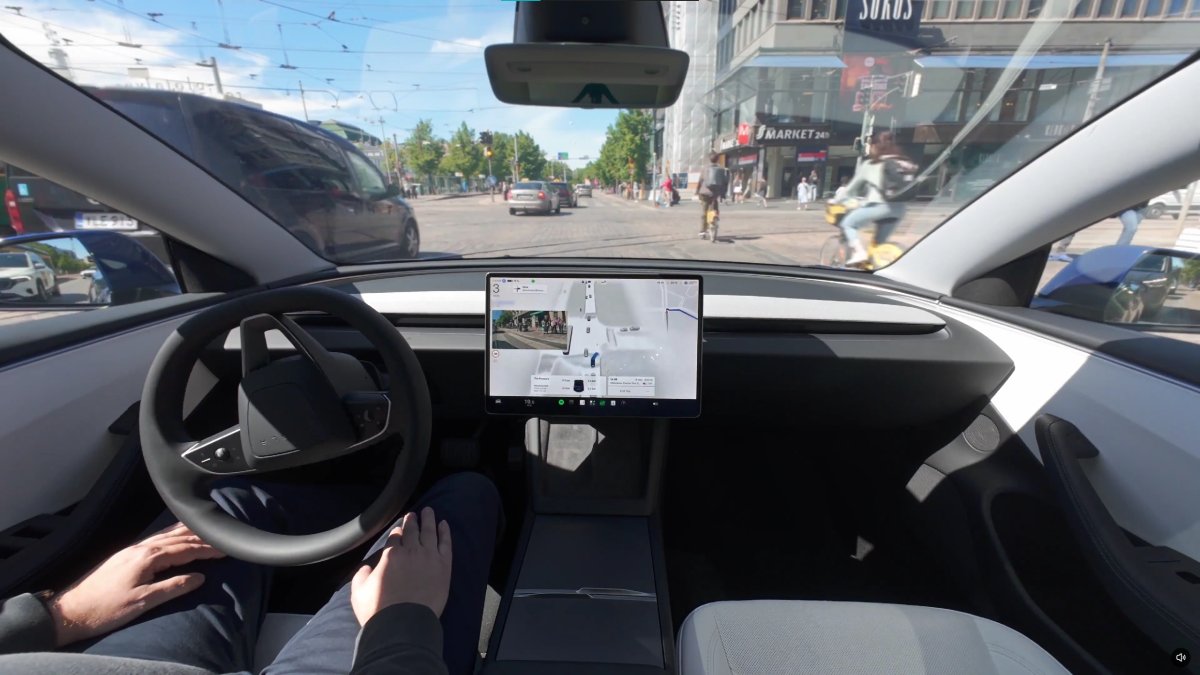
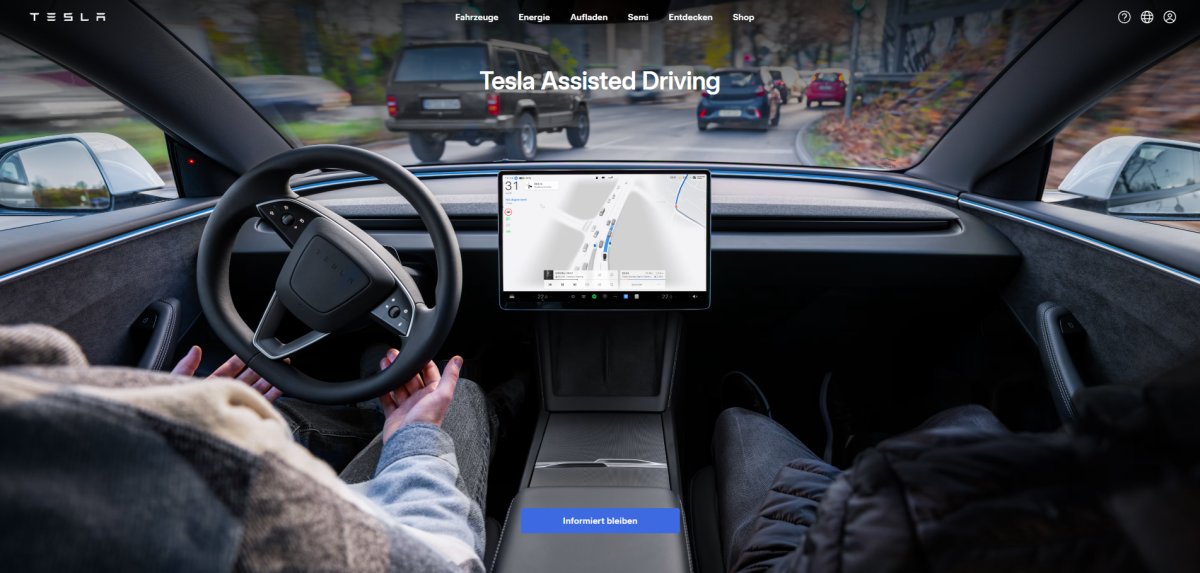
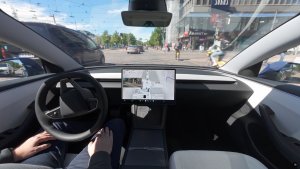
Finland has officially approved Tesla’s FSD (Supervised), now called Tesla Assisted Driving in Europe. Tesla Europe announced the news on X, adding that the rollout will begin soon.
Finland’s transport authority, Traficom, said in a press release that it recognized the provisional type approval granted by the Dutch RDW on November 10, so Tesla can start offering the system to Finnish customers right away. Finland is now the 11th EU country to approve FSD and the 19th country worldwide.
Why Finland Moved Early
Traficom said it decided to move faster than the EU-wide process for two reasons. The first is the changes Tesla has already made to the system, which the RDW approved earlier this month. Those include cutting the maximum Speed Offset from +50% to +10%, resetting it to 0% every time the car starts, and renaming FSD to Tesla Assisted Driving.
“The name change helps users and the market understand the true nature of the system,” said Traficom Senior Specialist Jukka Juhola. The new name is also used in Tesla’s Finnish- and Swedish-language materials.
Not a Tesla App
The second reason is winter. Approving the system now gives Finnish owners time to get used to it before the toughest winter conditions arrive. Juhola noted that the system was assessed with winter in mind, but its operation “may be subject to various limitations if the cameras become covered in snow, slush or other dirt.”
Traficom also reminded drivers that they’re still fully responsible while using the system, including following the speed limit. “It is always the driver who receives the fine for speeding,” Juhola said. Owners won’t need a modification inspection to use it unless their car has been modified, such as with unusual tire sizes or lowered suspension.
Where FSD Is Approved in Europe
These EU countries have independently approved FSD for public roads so far:
Traficom expects a final decision on EU-wide approval this winter, with the vote expected in December. Tesla needs at least 15 member states representing 65% of the EU’s population in its corner. Once the EU’s Technical Committee for Motor Vehicles (TCMV) approves it, it will take about three weeks for approval to apply across the bloc.
Not a Tesla App
Finland’s approval doesn’t commit it to voting in favor, and Traficom said it will keep following the discussions between member states. Germany has said it will support FSD in the vote now that Tesla has renamed it and capped the Speed Offset, and Italy has said it backs EU-wide approval too. If all 11 of the approving countries join those two, Tesla would need just two more.
Traficom also said more changes are expected before EU-wide approval, which “will help drivers remain alert while driving.” In the meantime, Finnish owners with HW4 vehicles should start getting Tesla Assisted Driving in the coming days or weeks.
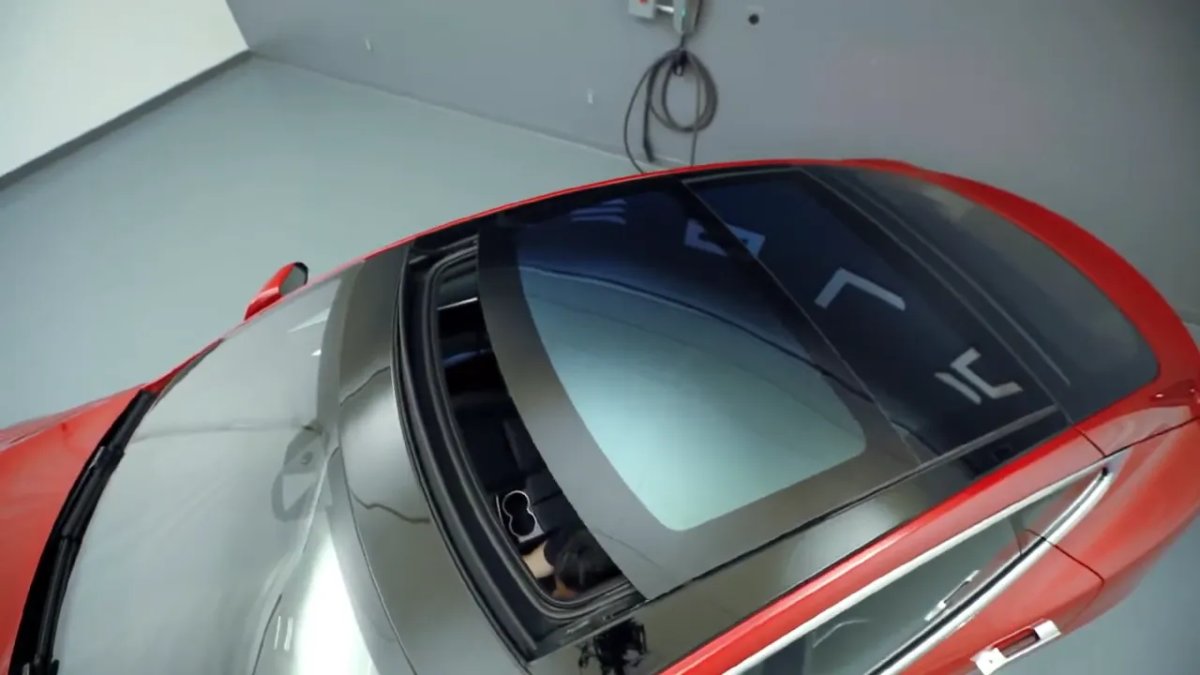
If you’ve ever wondered why Teslas don’t have an opening sunroof, Tesla’s answer is simple: owners stopped using them. In the latest episode of Jay Leno’s Garage, Tesla VP of Vehicle Engineering Lars Moravy and chief designer Franz von Holzhausen explained the decision while showing Leno the new Model Y L.
Leno brought it up himself, pointing out that his first Model S had a big opening sunroof.
Owners Stopped Using It
According to Tesla, the decision came down to data. Owners tended to use the sunroof “when they maybe first get the car, but then not really.”
Leno compared it to a hot tub, saying, “It’s like a hot tub afterwards.” In other words, you use it every day for the first week, then forget it’s there.
Not a Tesla App
The sunroof also came with downsides. Tesla described it as “a really complicated part that, you know, we see in service quite a bit.” It’s heavy, it takes a lot of parts to build, and if people aren’t using it, it isn’t worth the trouble.
Better Glass Instead
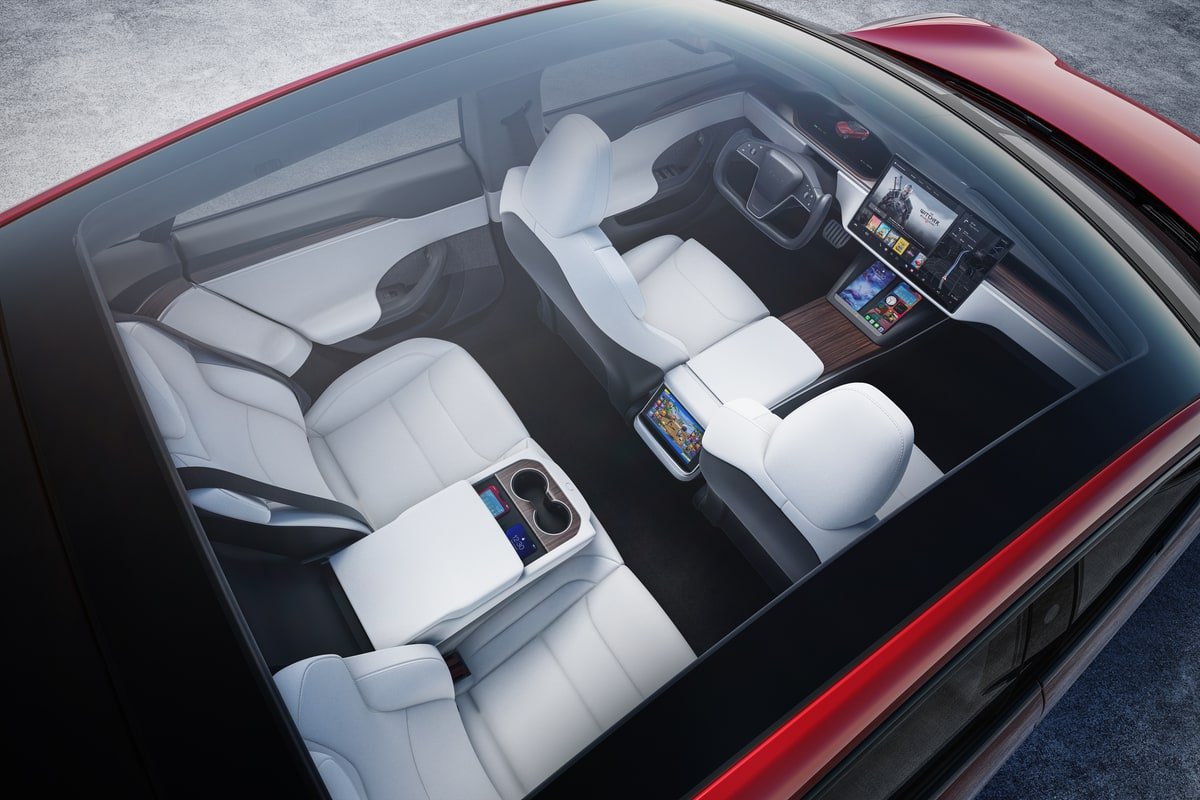
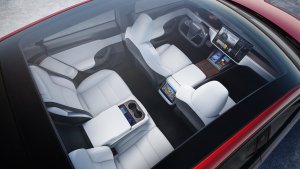
Instead of a sunroof, Tesla put that effort into its fixed glass roofs. Tesla said it improved the layers laminated into the glass to reflect heat and sunlight, and to block UVA and UVB rays “like the best sunscreen on the planet.” Tesla also added a reflective silver coating to the roof and built antennas into the glass, so there’s no antenna sticking out on top.
The Model Y L shows how far that work has come. Tesla says its roof glass reflects up to eight times more solar energy and lets up to 30% less solar heat into the cabin compared to 2024 and earlier Model Y vehicles. Along with HVAC upgrades, that helps the Model Y L gain about seven miles of real-world range in hot weather.
Not a Tesla App
Tesla’s glass roofs have been improving for a while. In 2023, Tesla gave the Model S a new high-visibility glass roof that weighed less and let in five times more light, while keeping the same heat and UV protection. The lighter roof also lowered the car’s center of gravity.
What’s Next for Tesla’s Glass Roof
Tesla’s future roofs could do even more. Earlier this year, Tesla was granted a patent for a perforated glass roof that’s built into the HVAC system. It uses two layers of glass with thousands of tiny holes in the inner layer, letting air from the climate system flow out through the roof while also absorbing road and wind noise.
Opening sunroofs probably aren’t coming back to Tesla’s lineup. Instead, Tesla’s glass roofs will likely keep getting better at blocking heat and noise.