Tesla is always looking for ways to make nighttime driving safer, and a clever new lighting feature is beginning to make its way into customer vehicles. Tucked away inside recent software updates, including version 2026.38, Tesla has started quietly testing an unannounced capability called “Dynamic Headlight Leveling.”
We’ve tracked the feature rolling out to an extremely limited number of vehicles across multiple regions, including the U.S. and the United Arab Emirates. The release doesn’t appear to be tied to a single model, popping up on both the Model 3 and the Cybertruck. Here’s how Tesla describes the feature:
“Low beams will automatically adjust their aim based on driving conditions and nearby traffic to maximize your visibility while reducing glare for other road users.”
Not a Tesla App
How Dynamic Headlight Leveling Works
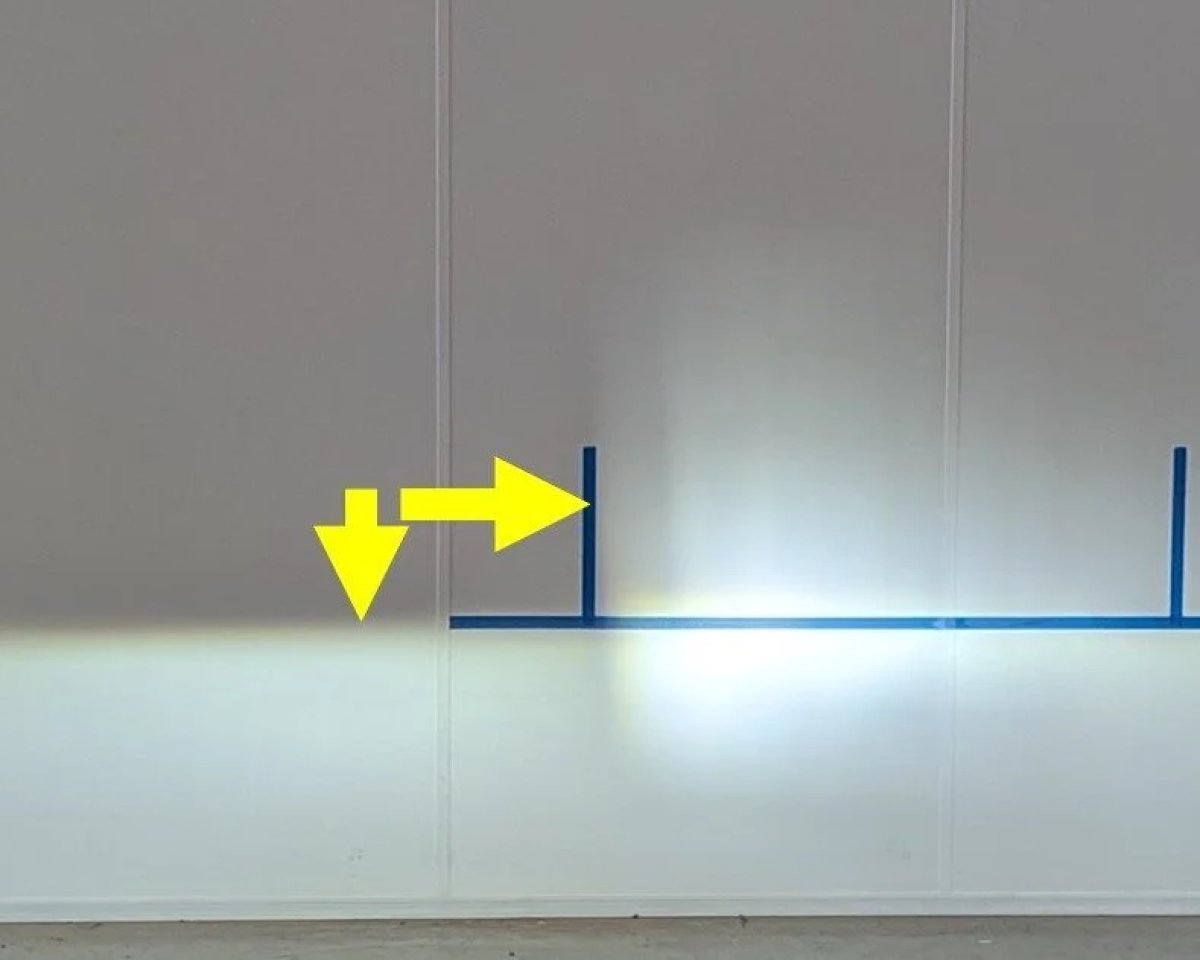
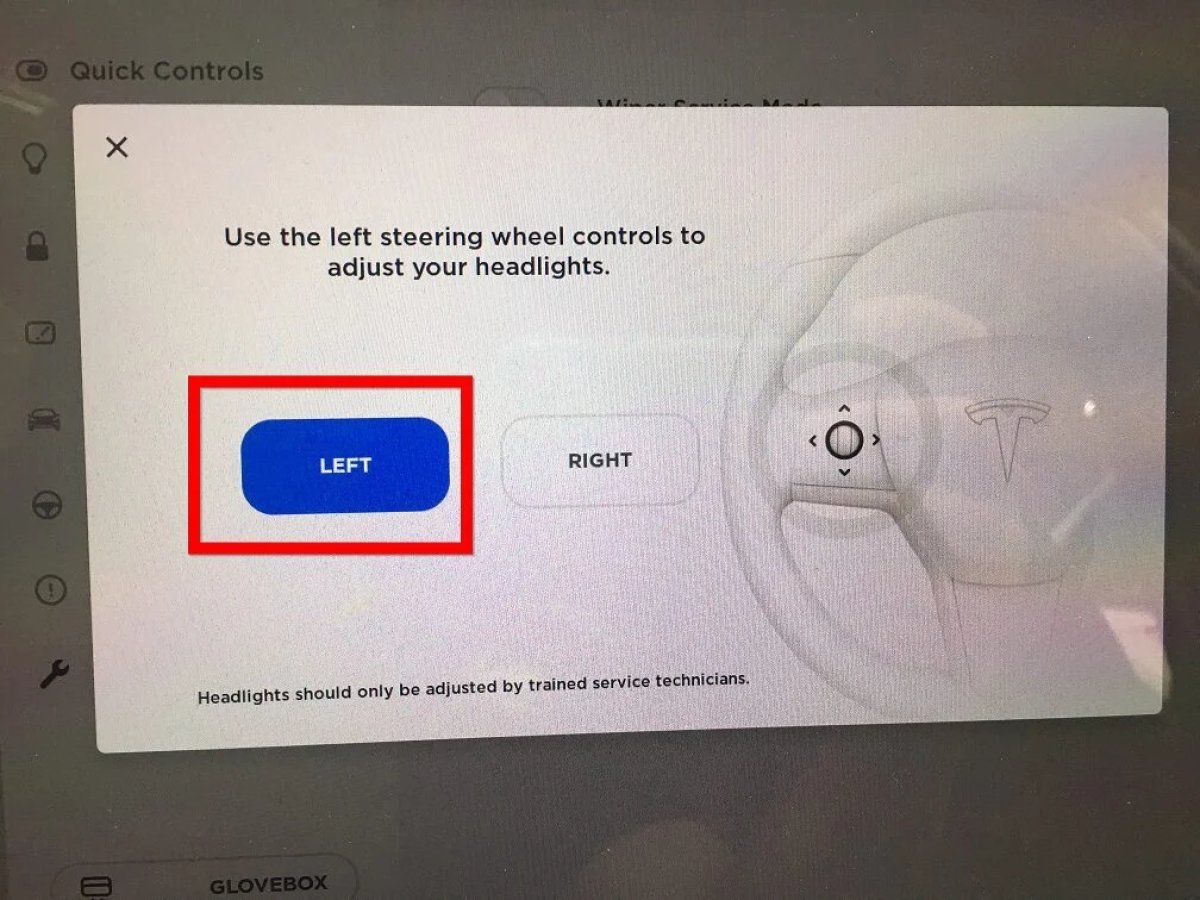
Headlight aim has traditionally been a manual chore. In European cars, drivers often have a rotary scroll wheel on the dash or lever to angle headlights downward when hauling heavy cargo in the trunk. Most vehicles in North America lack that physical toggle, although Tesla does have a Headlight Adjustment Mode tucked away in its Service Mode. Drivers can manually calibrate aim using the touchscreen and left scroll wheel by heading to Controls > Service > Adjust Headlights.
Not a Tesla App
Dynamic Headlight Leveling automates that process and makes adjustments in real time. As vehicle pitch shifts — whether you’re climbing a steep hill, accelerating hard, or carrying heavy luggage over the rear suspension — the software actively drives internal leveling motors to keep low beams aimed at the road rather than blinding oncoming traffic.
It’s important to note that this is completely different from Tesla’s Adaptive Headlights. The Adaptive Headlights feature relies on Matrix LED arrays in the high-beam modules, selectively turning individual pixels on and off to carve out shadows around oncoming cars and pedestrians to reduce glare while keeping the rest of the road illuminated.
Not a Tesla App
Dynamic Headlight Leveling focuses specifically on the low-beam projectors, pitching the physical hardware up or down since the low beams don’t have Matrix LEDs anyway.
Early Fleet Validation
Because the rollout is currently hitting only a tiny handful of cars with varying hardware builds, there’s no concrete indication of availability. Instead, Tesla appears to be running a tightly controlled data-gathering phase, evaluating the feature and its impact on the headlight hardware before pushing a wide release.
Tesla hasn’t announced when the feature will expand to the broader fleet. However, as validation ramps up, more vehicles will likely start getting Dynamic Headlight Leveling in upcoming point releases.
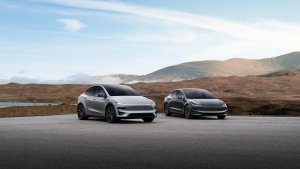
Gigafactory Shanghai has officially rolled out a big batch of hardware and aesthetic updates across its production lines. Starting with deliveries in the fourth quarter of 2026, buyers taking possession of new Model 3 and Model Y vehicles across China, Australia, New Zealand, South Korea, and other countries served by the factory will notice several long-awaited upgrades.
Rather than waiting for an annual model-year refresh, Tesla injects new materials and parts into its production lines as soon as it runs out of older inventory. This latest wave of changes is one of the most comprehensive redesigns at Giga Shanghai in recent memory, touching everything from cabin liners to charging hardware. It also serves to standardize parts across Tesla’s current product catalog, since most of these changes had already been made to Model Y vehicles built at Tesla’s Chinese factory and are now making their way to the Model 3 lineup.
Vehicle-to-Load (V2L) Capability
The headline addition is the arrival of bidirectional charging through Vehicle-to-Load (V2L) capability on newly produced 2027 Model 3 and Model Y vehicles.
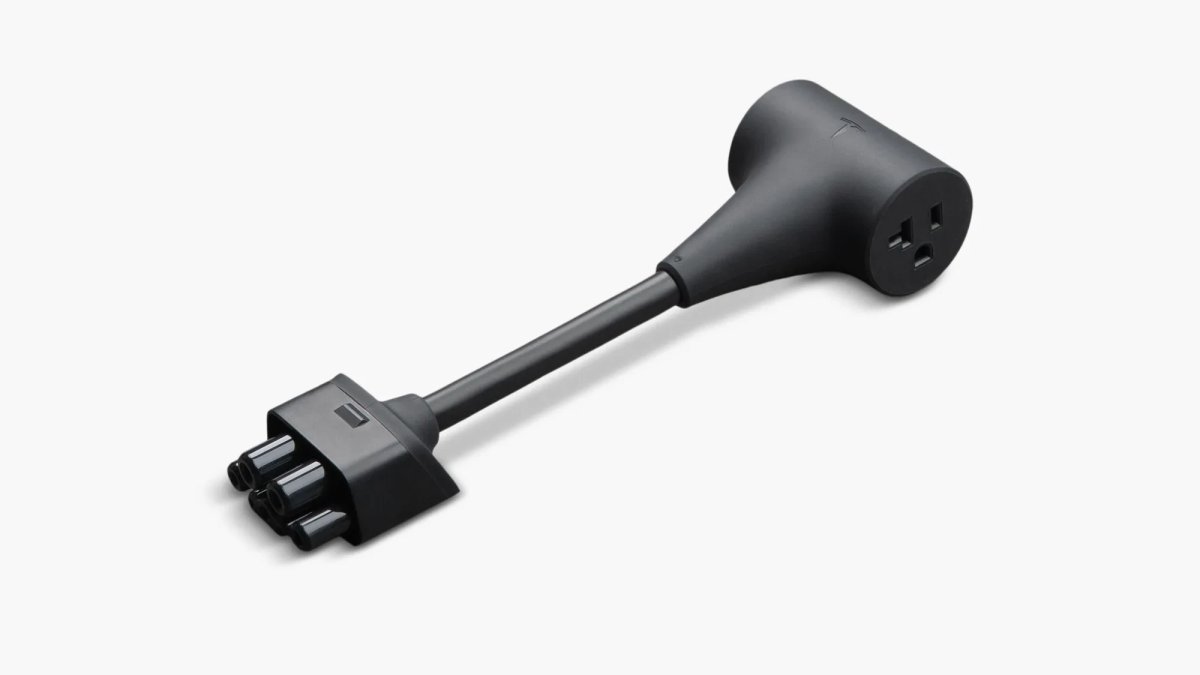
V2L essentially turns your Tesla into a giant, rolling battery bank. It allows you to plug everyday devices and appliances into your vehicle and draw power directly from its high-voltage battery pack. Using Tesla’s official Outlet Adapter plugged into the charge port, drivers can run space heaters, camping stoves, power tools at remote work sites, or keep essential home electronics running during a power outage.
Not a Tesla App
It provides power on the go, wherever the vehicle is parked. The feature is arriving on new deliveries across Asia-Pacific and Oceania markets, though owners with existing builds will not be able to retrofit the capability since it requires specific bidirectional power electronics built into the onboard charging assembly.
V2L was originally only available on the Cybertruck. The three-row, six-seat Model Y L debuted with the capability in China last summer, and it later expanded to the Model Y Performance and, more recently, Model Y Premium. Now, it looks like it will be built into all Model 3 and Model Y trims manufactured at Giga Shanghai, though we won’t know for certain if any variants are being left out until fresh builds start landing in customer hands.
Black Headliner
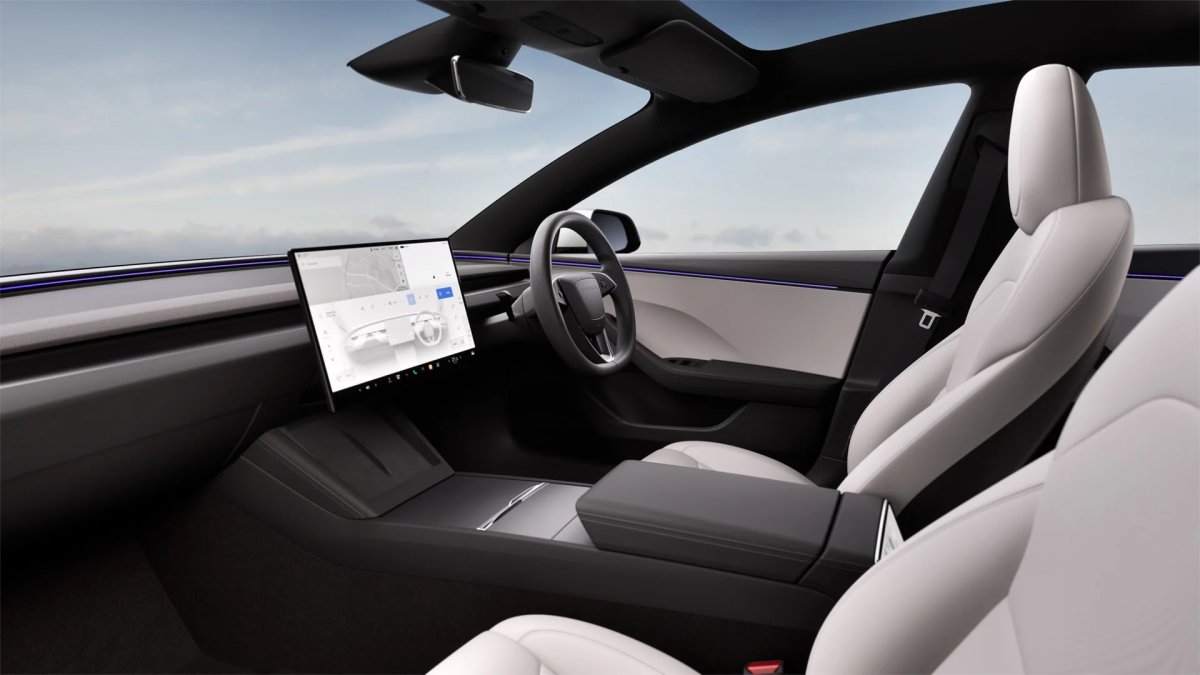
The all-black headliner is a feature Tesla owners have been demanding for a very long time. For years, both the Model 3 and Model Y shipped with a light grey headliner that many felt clashed with the otherwise dark, minimalist cabin elements.
Not a Tesla App
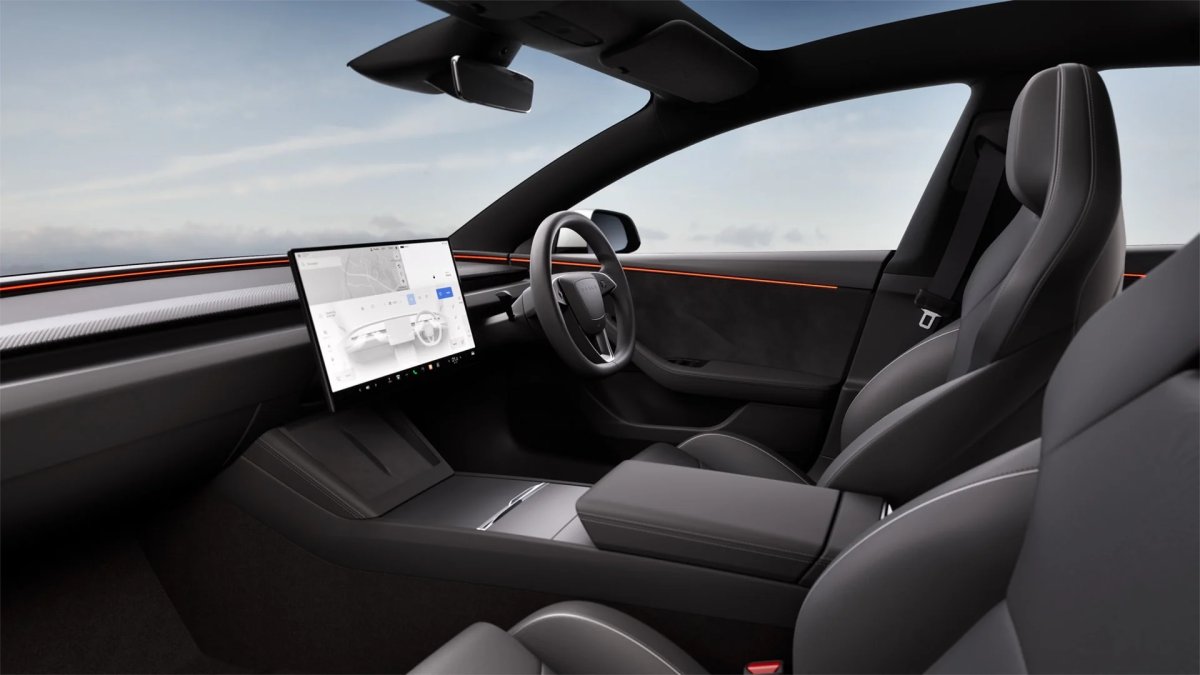
Tesla began phasing in the dark fabric on select Model Y trims earlier this year, and now the Model 3 is getting the same treatment across all trims. Swapping out the lighter material for an all-black roof liner gives the cabin a much sportier, more premium feel, particularly when paired with ambient accent lighting.
Zen Gray Interior
On the upholstery front, Tesla is officially retiring its classic “Black and White” interior option across these regions. In its place, the catalog now features “Zen Gray.”
Tech inside the cabin is also getting a welcome bump. The center touchscreen on the Model 3 has grown from the long-standing 15.4-inch display to a slightly larger 16-inch unit.
Like most of these other upgrades, the 16-inch screen has already been available on the Model Y lineup since earlier this year. The crisper panel makes navigation maps sharper and text noticeably easier to read at a quick glance.
Other Changes
Rounding out the hardware revisions, the 19-inch Nova wheels available on Model 3 Premium builds out of Giga Shanghai now feature a darker gray finish compared to the previous silver-toned alloy.
Additionally, Tesla has officially launched the base Model 3 in Australia and New Zealand. The entry-level single-motor trim gives buyers in the region a more affordable entry point into the lineup, broadening accessibility just as these hardware updates land.
As Gigafactory Shanghai begins customer handoffs of these updated builds, it typically serves as a preview of what Western factories will adopt next. If history is any indicator, we expect Fremont, Giga Texas, and Giga Berlin to integrate these upgrades into their own assembly lines over the coming months as existing inventory is used up.