Tesla held its Q3 2026 earnings call on Wednesday, giving us a fresh look at how the last quarter went and what’s coming next for Full Self-Driving, Robotaxi, Cybercab, Optimus, Tesla Energy, and the rest of the product portfolio.
Elon Musk opened by calling FSD the key driver of demand, adding that Tesla is aiming to build 5 million vehicles a year by 2030. Tesla also shared new timelines for Cybercab sales, customer-owned cars joining the Robotaxi network, and its in-house Terafab chip fab.
If you missed the call, we’ve broken down everything Tesla shared, just like we did in our Q2 2026 earnings call recap.
Production & Demand
Not a Tesla App
Tesla is aiming for 5 million vehicles a year by approximately 2030, and Musk thinks it has a good shot at hitting that goal.
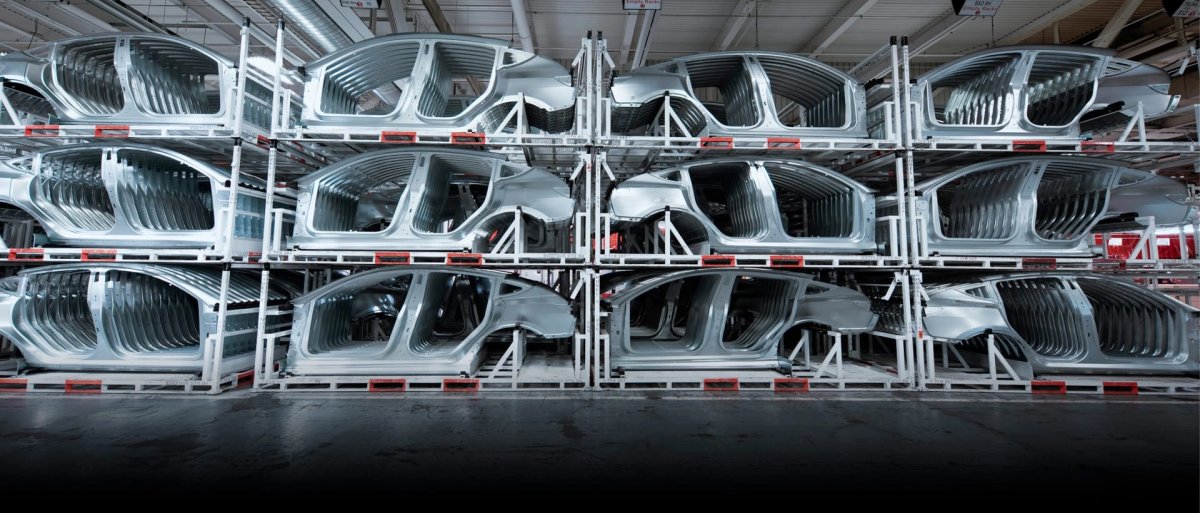
Factories are operating at record rates, according to VP Lars Moravy, thanks to investments made over the past year to increase output at existing plants.
Tesla set delivery records in markets including Australia, Japan, and Taiwan, and was the top-selling passenger car brand in South Korea.
FSD (Supervised)
Not a Tesla App
Over 75% of North American deliveries in Q3 included a paid FSD subscription sign-up at delivery, even though every car already comes with a free trial.
Tesla’s VP of AI, Ashok Elluswamy, said during the call that unsupervised FSD could start rolling out to the first customer vehicles in Q2 2027. It’ll be limited to select regions in the U.S. at first (and probably only for highway use), but the finish line for Tesla’s autonomy ambitions is finally in sight.
Tesla says customers are coming into showrooms asking to try FSD rather than asking for a specific model.
When an analyst estimated FSD’s annual recurring revenue is approaching $1 billion, Tesla said the numbers were correct. It plans to share more FSD metrics, including revenue and churn rates, as the business scales.
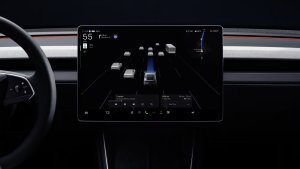
Tesla is building its own AI-based mapping and navigation system for FSD instead of relying on third-party maps. It will work with voice commands, learn your personal route preferences, and use data from the entire fleet, building on the navigation improvements Tesla has already teased.
Robotaxi Service
Not a Tesla App
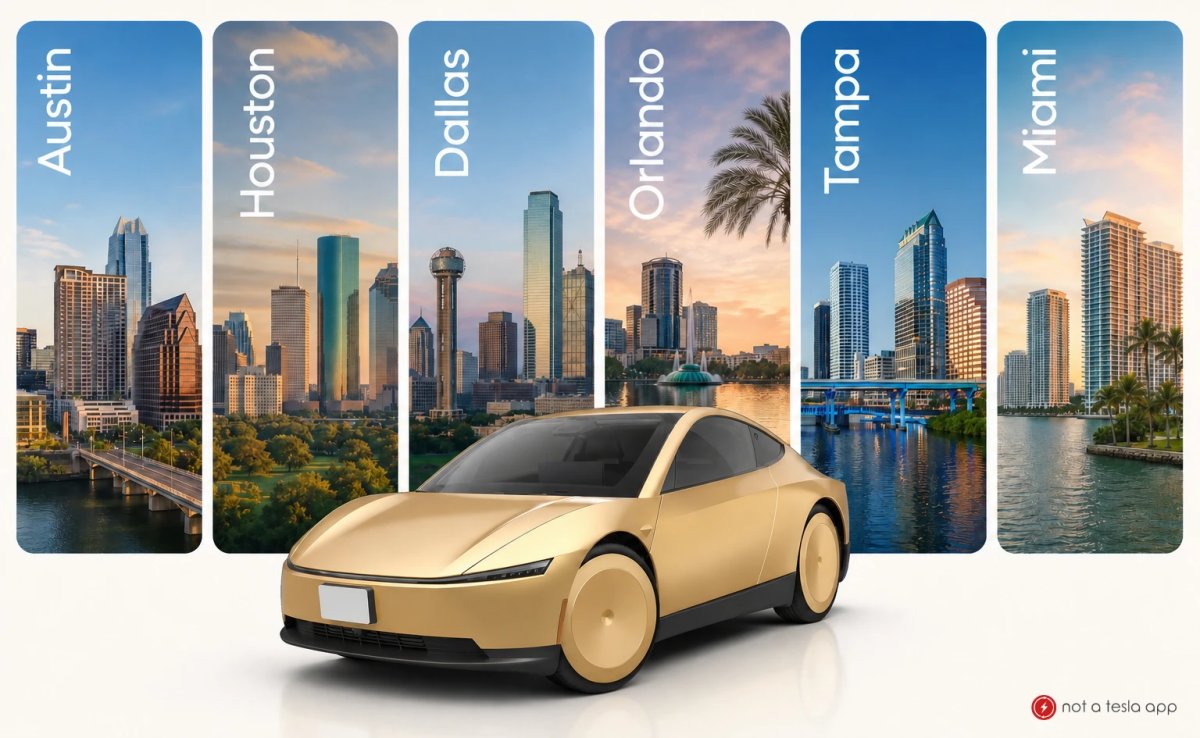
Robotaxi is running fully autonomously in six cities, with Austin home to the largest fleet. Tesla recently named its next four Robotaxi cities.
Tesla plans to expand to more weather conditions, 24/7 service, highways, and higher speeds, hopefully by the end of this year. Austin rides already run until midnight.
Tesla expects to let customer-owned vehicles that get unsupervised FSD join the Robotaxi network around Q2 2027, as long as they meet geofencing and fleet management requirements.
Musk expects Robotaxi to start making a noticeable difference to Tesla’s finances around Q2 2027 and become a big deal by Q3 or Q4 of next year.
Tesla says it sees a clear path to its target operating costs of $0.30 per mile as it learns from running the fleet.
Cybercab
Not a Tesla App
Cybercab rides will launch in Dallas next month, following Austin, where Tesla now has more than 300 Cybercabs. More cities could follow towards the end of the year.
Every Cybercab built so far has gone to Tesla’s own Robotaxi fleet. Austin may only have some 300 of them offering commercial rides, but Tesla has set up staging areas and nests with hundreds of Cybercabs in cities across the U.S. as it prepares for a nationwide rollout.
Musk said the vast majority of Cybercabs will be Tesla-owned and/or offered as transport-as-a-service, while cars like the Model 3, Model Y, and new Roadster are the ones people will want to own. Businesses can already register interest in buying a Cybercab fleet.
Optimus
Not a Tesla App
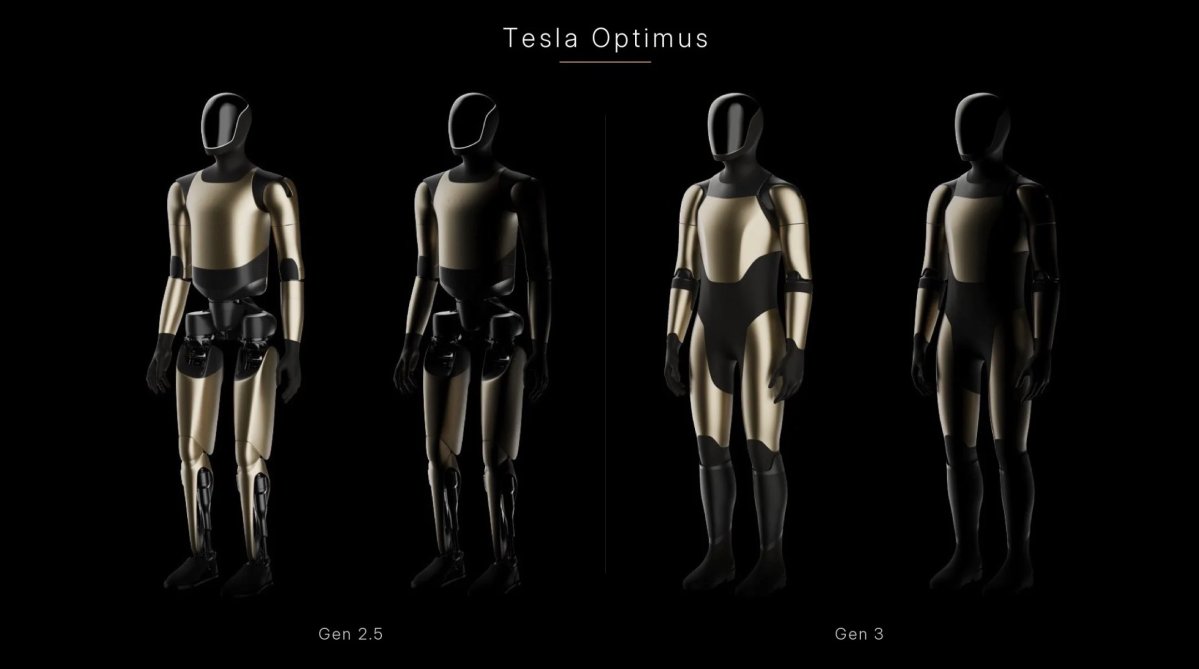
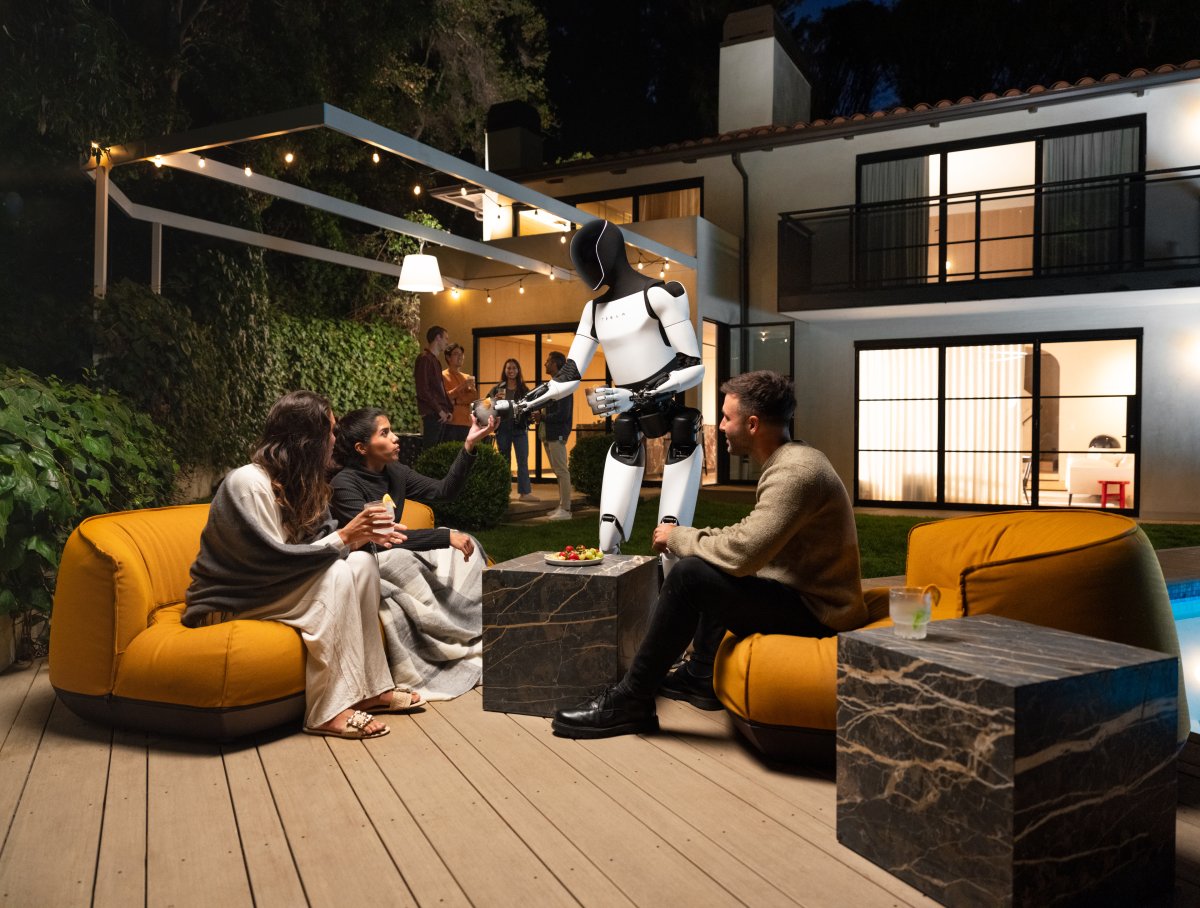
Tesla has started early Optimus production on a high-volume line in Fremont, and most of the equipment for the line, designed for about 1 million robots a year, has already landed.
Musk expects it to take at least a year to reach a rate of about 20,000 robots per week, since parts of the design are still changing.
He expects the remaining AI, electromechanical design, reliability, and usage life issues to be solved around the end of next year. That’s when Tesla plans to start delivering Optimus to outside companies.
The first customers will likely be industrial, using Optimus for dangerous, repetitive tasks that need to run around the clock. Robots for the home will come later.
Tesla may release an Optimus video in the next month or two that shows the robot doing tasks that aren’t pre-programmed.
Optimus production costs are trending toward Tesla’s expected cost for Cybercab, though it is still iterating on the design.
AI5 Chip
Not a Tesla App
Musk expects Tesla’s AI5 chip to be integrated into Optimus around April 2027.
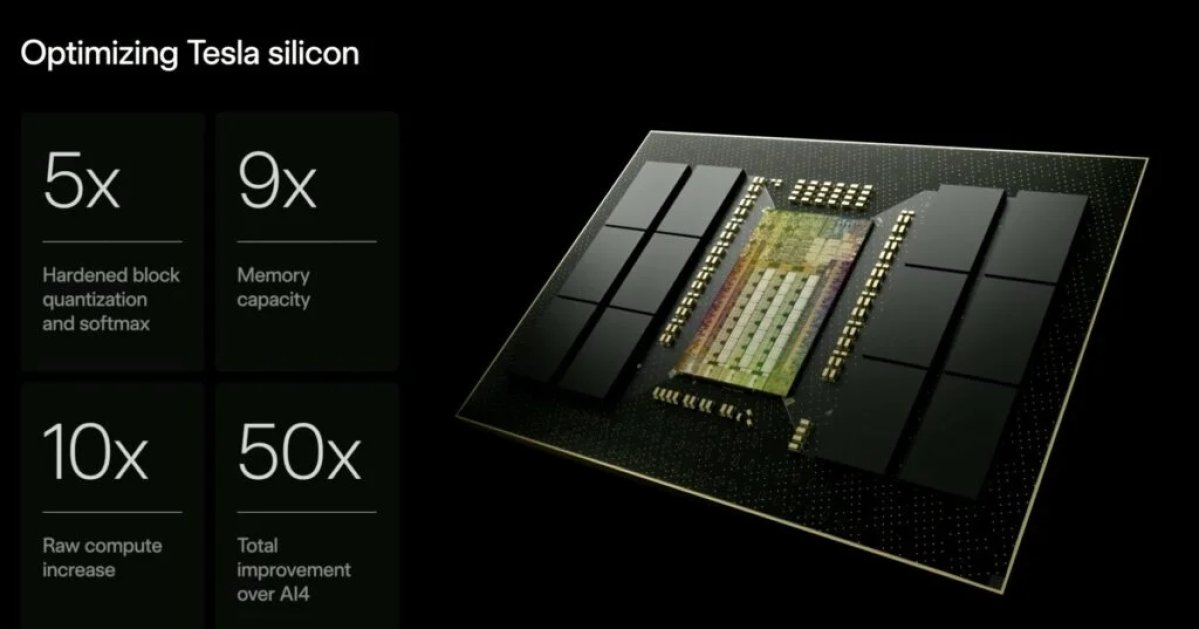
AI5 offers an order of magnitude more compute than AI4, which Optimus needs to handle far more degrees of freedom than a car. AI5 entered trial production at Samsung’s Texas fab last month.
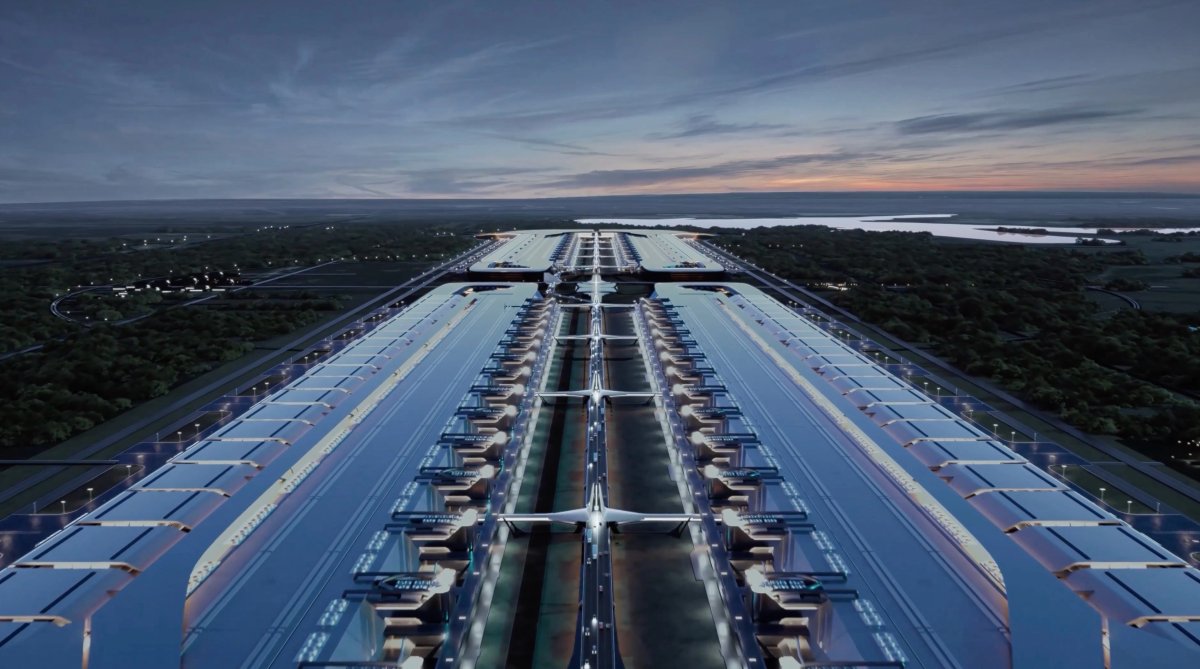
Terafab
Not a Tesla App
Tesla plans to begin commissioning Terafab machinery in the first half of 2027 and make its first test chip around May or June.
The goal is to produce useful chips at volume around Q3 2028.
Terafab will cost tens of billions of dollars in equipment through early 2028 and likely more than $100 billion long term. Tesla and SpaceX are still working out how costs will be split.
Musk said Terafab will be key to scaling Optimus by removing bottlenecks in memory, packaging, and logic chips.
Tesla Energy
Not a Tesla App
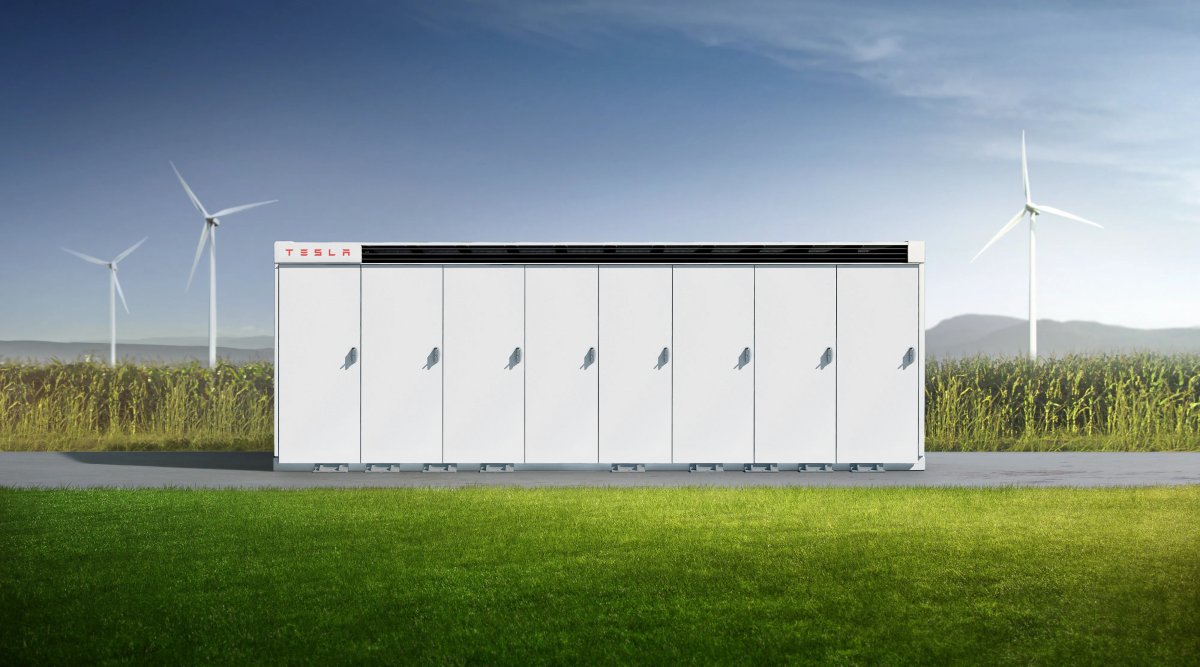
Tesla deployed 13.7 GWh of energy storage in Q3, its second-best quarter ever.
Megapack production is almost sold out for all of 2027, and Tesla is ramping production as quickly as possible.
Energy gross margins jumped from 20.4% to 33.1%, mainly due to tariff refunds and warranty adjustments, and Tesla expects them to keep improving.
Financials
Not a Tesla App
Tesla ended Q3 with over $1.5 billion in positive free cash flow and more than $45 billion in cash and investments.
Tesla revised its 2026 capital expenditure guidance to about $20 billion.
With Cybercab rides in Dallas, the first Cybercab deliveries to customers, and 24/7 Robotaxi operations all targeted before year-end, Q4 should give us a clear look at how close Tesla is to its timelines. Tesla’s 2026 Annual Shareholder Meeting on December 3 should bring another round of updates.
Tesla has officially started building Optimus robots. During Tesla’s Q3 2026 earnings call on Wednesday, Elon Musk said the company has “started what I’d call early production on a high-volume line in Fremont.”
Tesla says in its Q3 shareholders’ deck that “the bots coming off this line are the first production quality bots that we have manufactured,” and that its manufacturing process is suitable for a commercial product.
Optimus Production Kicks Off at Fremont
The line sits in space Tesla freed up by tearing down the Model S and Model X assembly lines at Fremont this summer, a job it finished in just 46 days. Musk said “the vast majority” of the line, which is planned for 1 million units per year, has already landed. An even larger line capable of 10 million units per year is planned for Giga Texas. Tesla is launching production with its Optimus Gen 3 design. Gen 3 was always supposed to be the first to go into mass production, but Tesla plans to graduate to Gen 4 by the time capacity comes online at Giga Texas.
@TeslaNewswire / X
Musk was careful to set expectations, though. He described Tesla’s Optimus output as an S-curve whose early part “has a shallow slope and is somewhat bumpy because it is such a radically new product.” He expects it will take at least a year to reach a rate of 20,000 units per week, largely because parts of the Optimus design are still changing.
When Optimus Will Reach Customers
Musk expects the remaining issues with Optimus’ AI, electromechanical design, reliability, and durability to be solved around the end of next year. That’s when Tesla plans to start delivering Optimus to other companies.
Not a Tesla App
The first customers will likely be industrial, using Optimus for dangerous, repetitive tasks that need to run around the clock. Robots for the home will come later as production scales. “I remain convinced that Optimus will be the biggest product on Earth,” Musk said.
The next big milestone is adding Tesla’s upcoming AI5 chip to Optimus, which Musk expects around April 2027. AI5 is expected to deliver 5x the compute of a full two-chip AI4 computer, which Musk said Optimus needs to handle far more degrees of freedom than a car. Tesla’s AI5 chip entered trial production at Samsung’s Texas fab last month, with mass production slated for next year.
Optimus may finally be in production, but don’t expect to buy one anytime soon. Even if Musk’s timeline holds, the first external (and industrial) customers won’t start getting robots until the end of 2027.