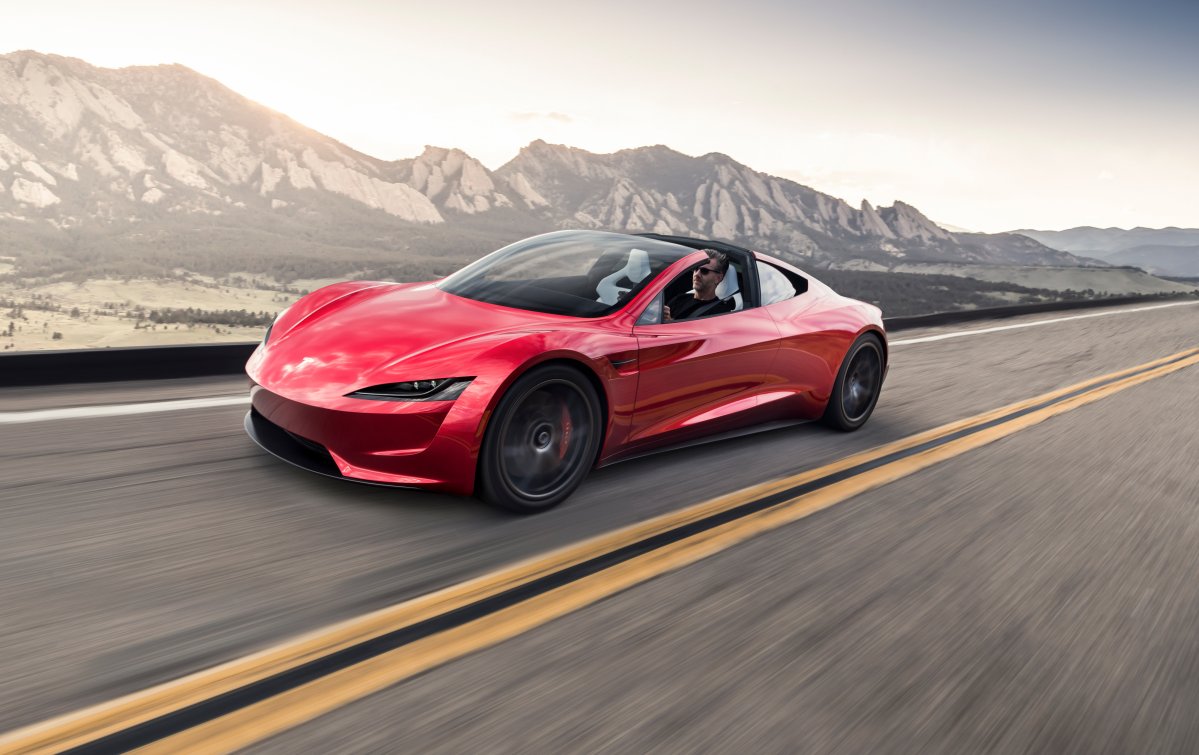
The Tesla Roadster that’s heading to production in 2028 looks nothing like the one Tesla first showed off almost a decade ago. When Elon Musk rolled out the original next-gen Roadster as a surprise at the end of the 2017 Tesla Semi event, it was a smooth, curvy red sports car that fit right in next to the Model S and Model 3. At the time, Tesla promised a 0-60 mph time of 1.9 seconds, 620 miles of range, and a top speed above 250 mph. Here’s what it looked like:
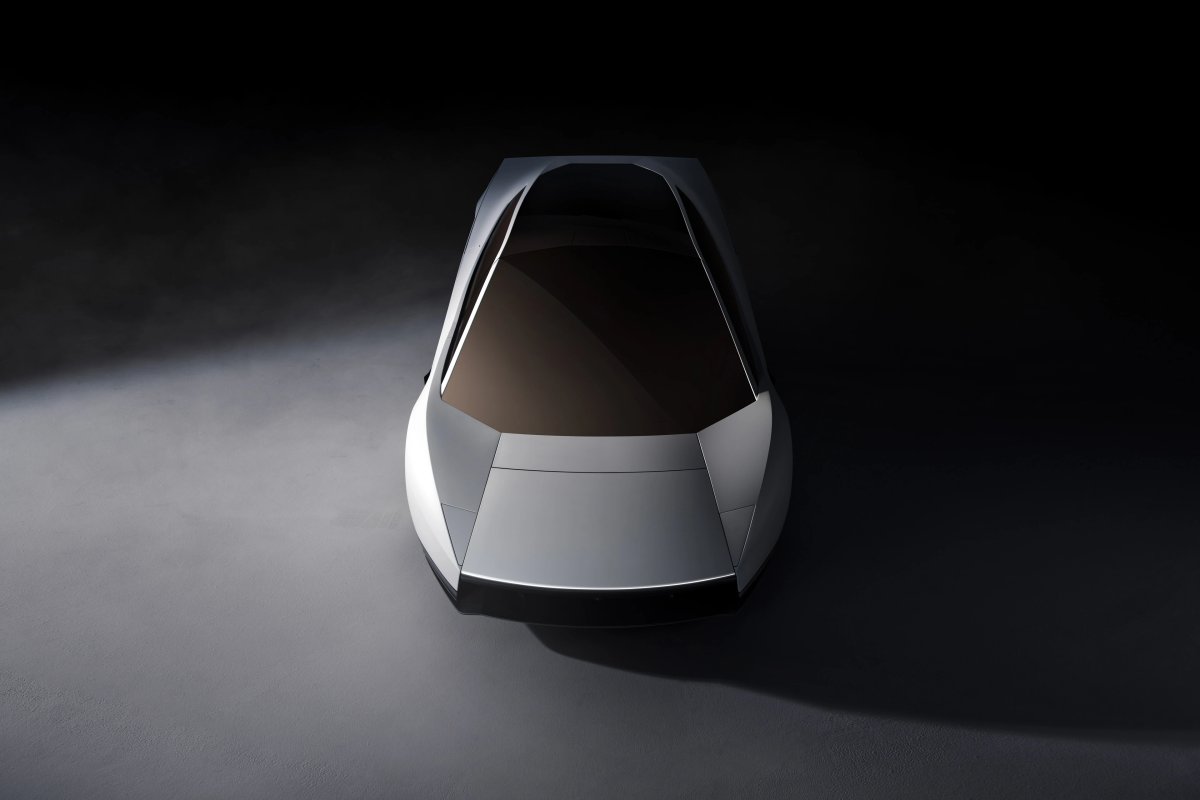
The new Roadster, unveiled earlier this week, takes a much sharper approach. As Tesla put it, its design language “has evolved since the last reveal,” moving from the S3XY lineup to the angular look of Cybertruck, Cybercab, and Optimus. Tesla also says the new design draws inspiration from the SR-71 Blackbird and F-35 fighter jet. Check out the new, super sports car-coded Roadster:
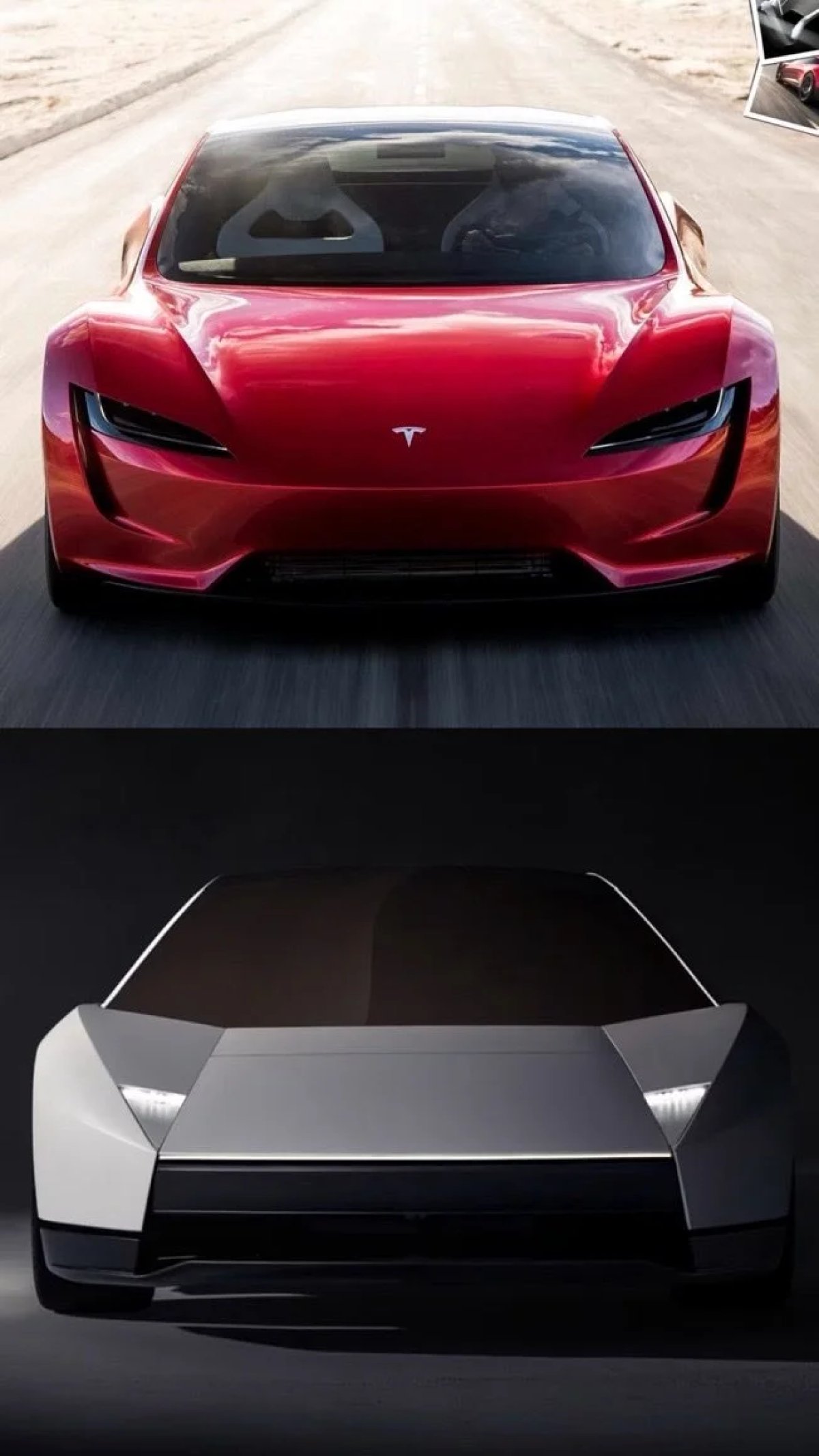
Front: Curves vs. Creases
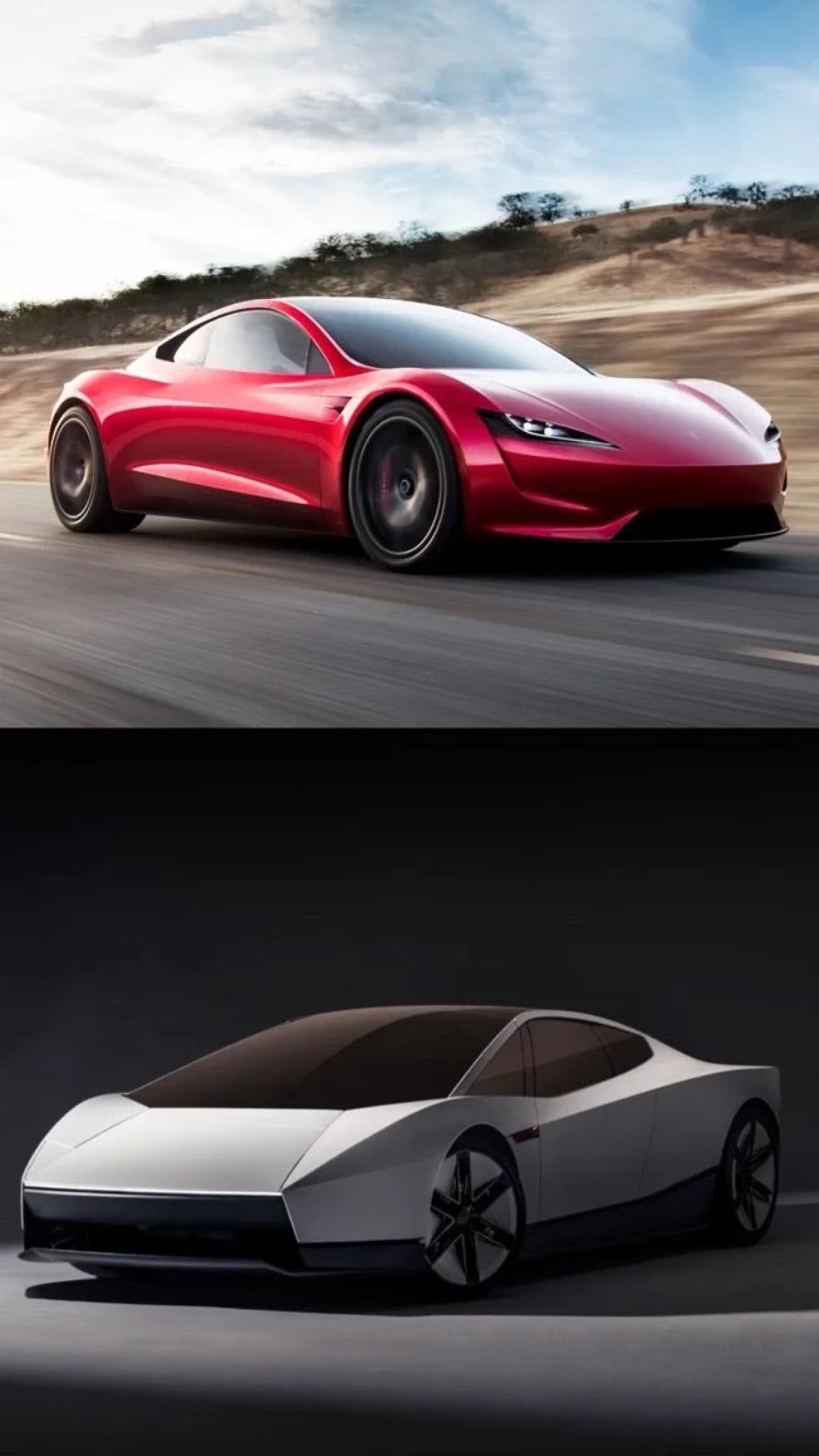
The 2017 Roadster had a rounded, sculpted nose with swept-back headlights, a Tesla logo and a wide lower intake. It looked like a sleeker, lower Model 3.
@chaitu / X
The new Roadster swaps that for a flat, faceted hood with a V-shaped center panel. The headlights are hidden in small pop-down openings at the corners, with a slim light bar running across the lower front. There’s no Tesla logo up front.
Not a Tesla App
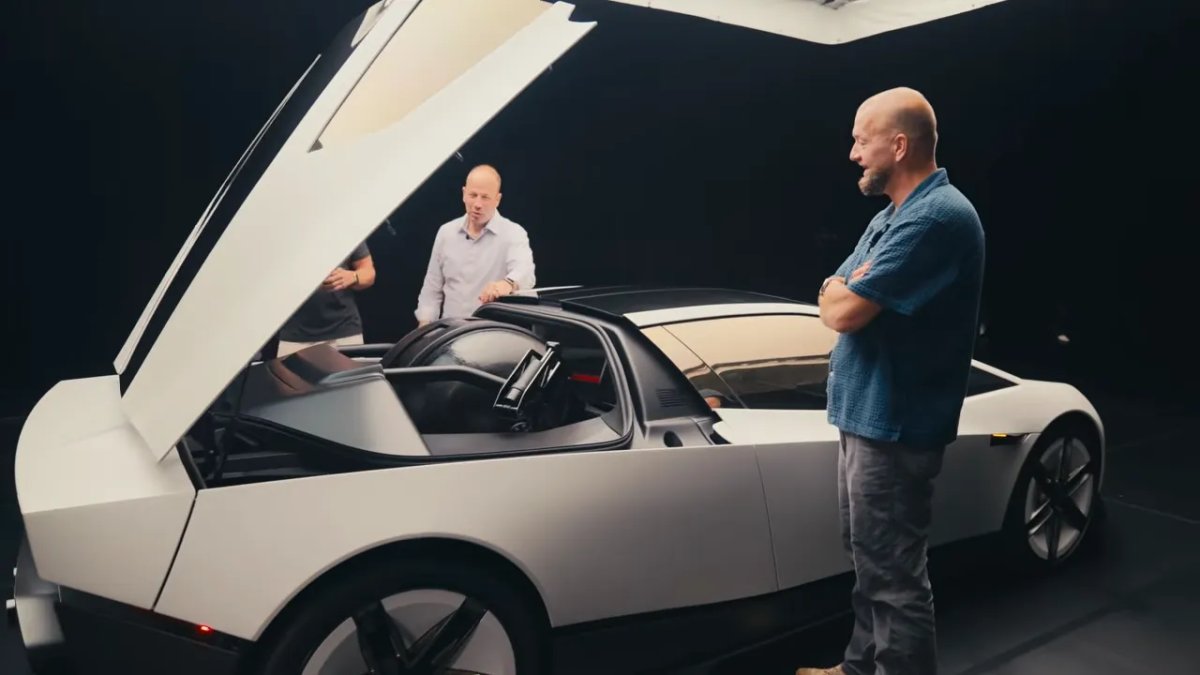
Side Profile: A Wedge-Shaped Supercar
From the side, the original had flowing curves and rounded fenders. The new Roadster has a low, wedge-shaped silhouette closer to a Lamborghini, with a sharp beltline and a black lower body.
@chaitu / X
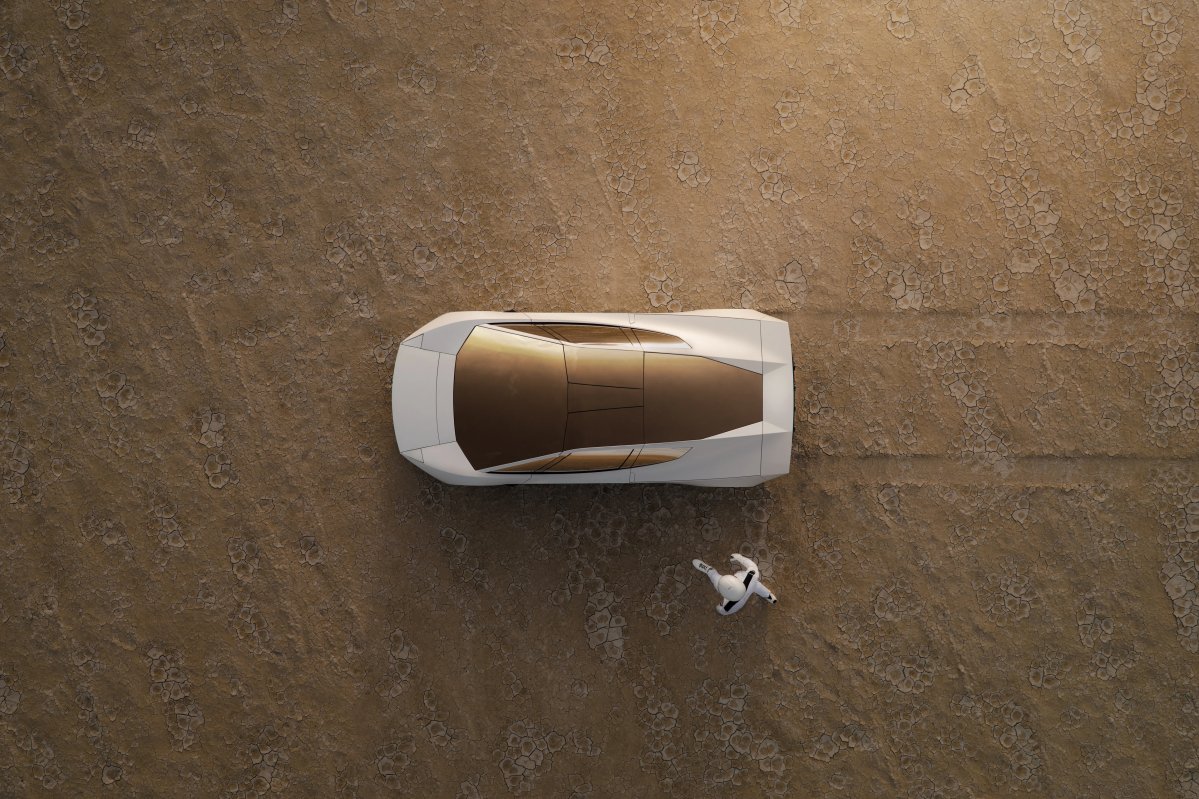
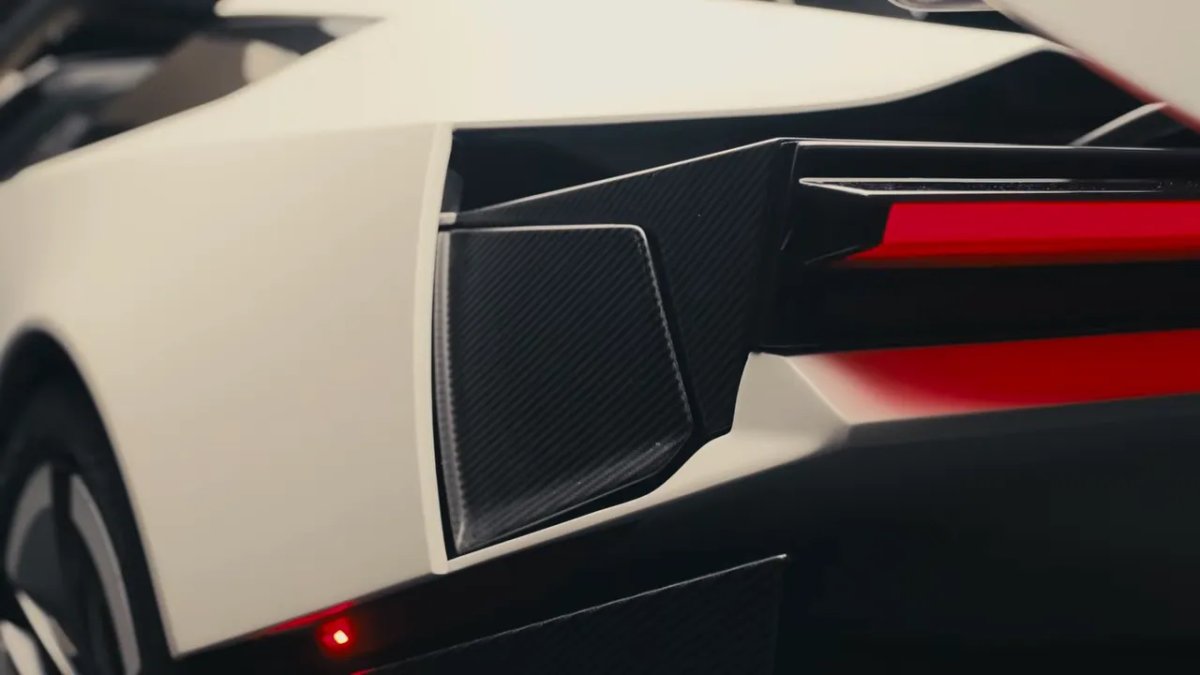
The finishes lean into the aerospace theme (SpaceX did have a big hand in creating it, after all). Ano White paint is inspired by coatings that protect rockets from UV exposure, extreme cold, and corrosion. The gold window tint mimics the copper coating on spacesuit visors, with titanium accents throughout. Lightweight thin-spoke wheels replace the 2017 concept’s larger multi-spoke wheels, and conventional doors give way to manual scissor-style doors.
Not a Tesla App
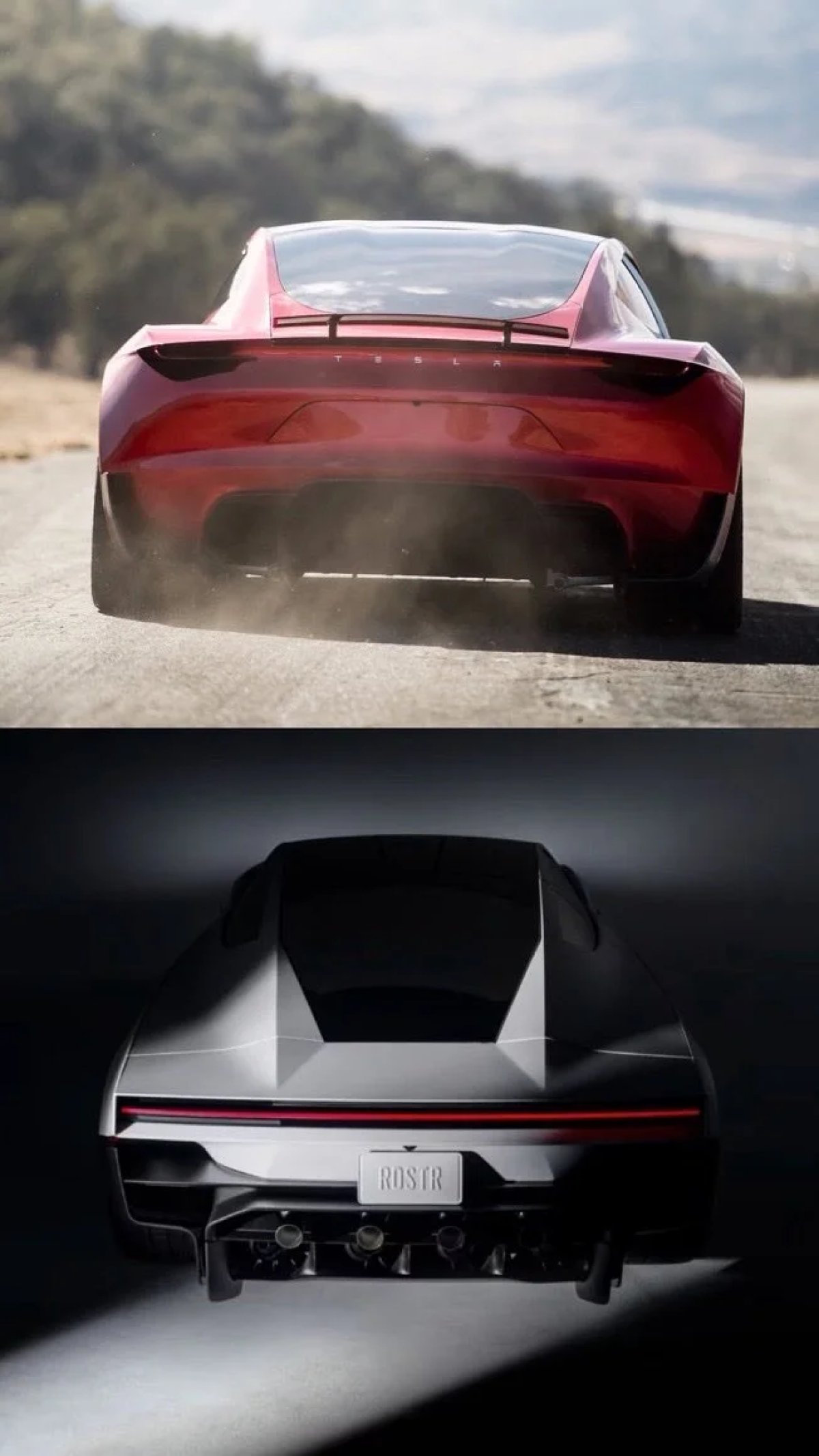
Rear: Thrusters on Display
@chaitu / X
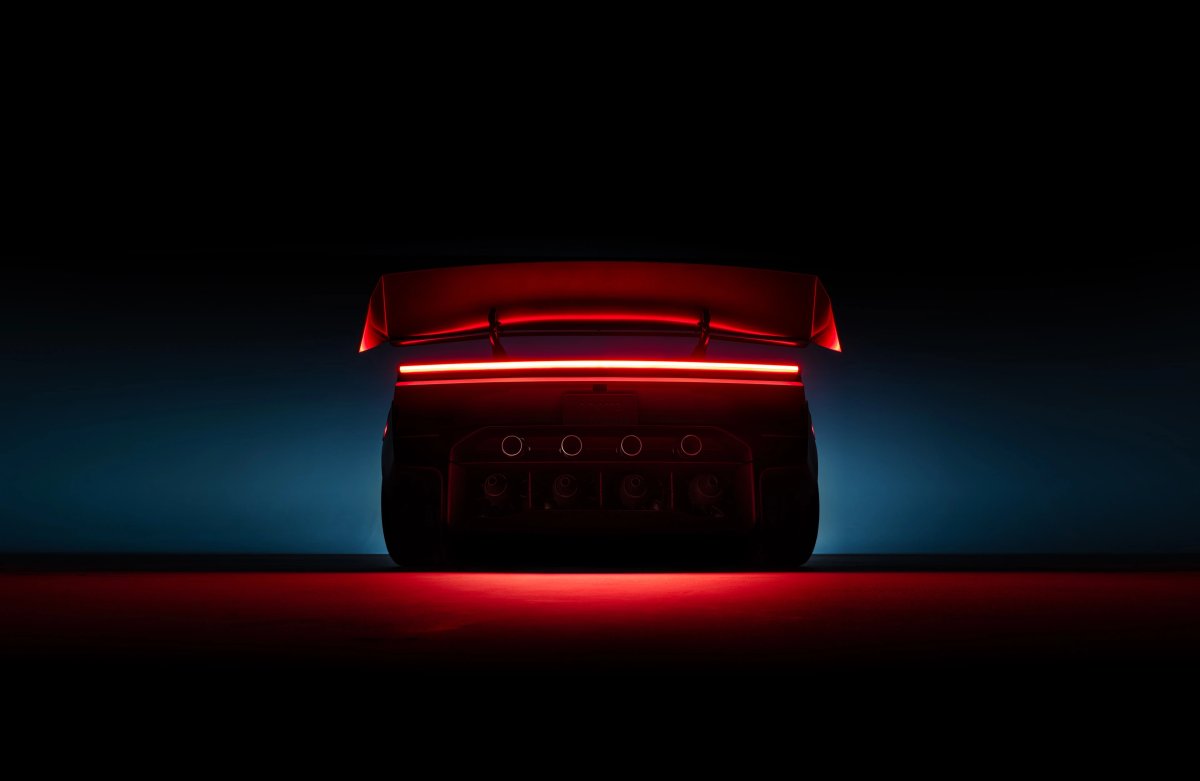
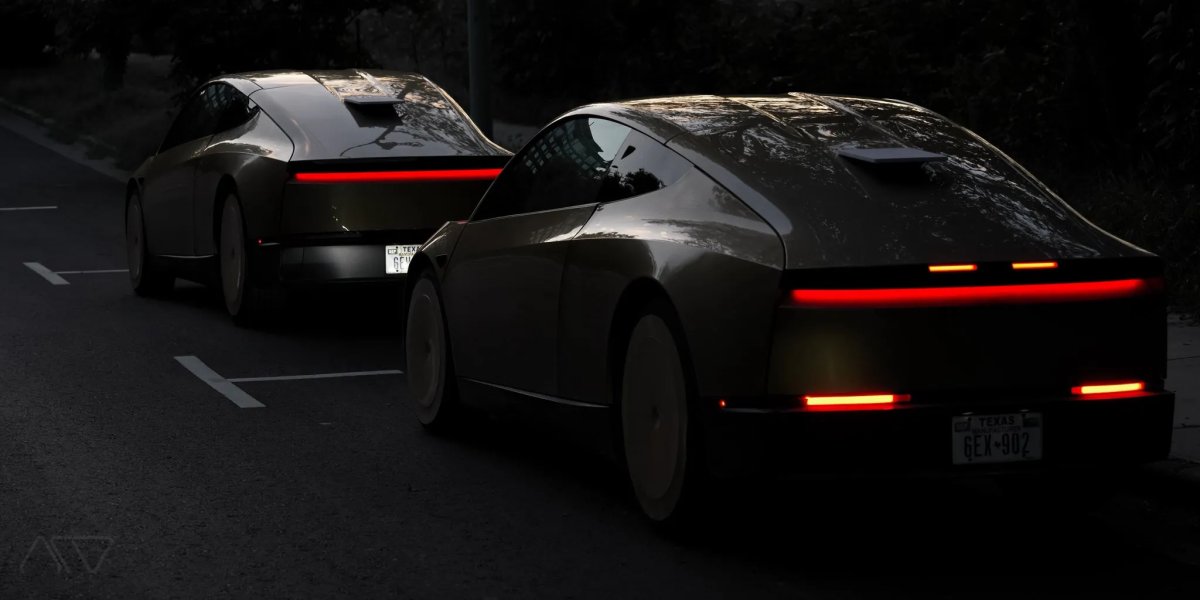
The 2017 Roadster’s rear had “TESLA” lettering across the trunk, thin taillights, and a smooth diffuser. The new one gets a full-width taillight like the refreshed Model Y, a faceted hatch, and an exposed diffuser showing off the thruster nozzles and suction fans that let it drive upside down (and more).
Not a Tesla App
Hidden Aero That Transforms
The biggest design shift is how much of the new Roadster moves. Tesla calls it Hidden Aero, with flush-mounted aerodynamics that conceal the car’s true form. Movable skirts run along the front, sides, and rear to help create a vacuum under the car with the suction fans, panels on the fenders open, and the hood can open for more airflow. An active rear wing deploys for downforce and stows for speed.
TopGear
Activating Track Mode lowers the car and switches it into a High-Downforce or Low-Drag setup. The 2017 concept had no comparable moving aero.
Not a Tesla App
Interior: Fewer Seats, More Thrust
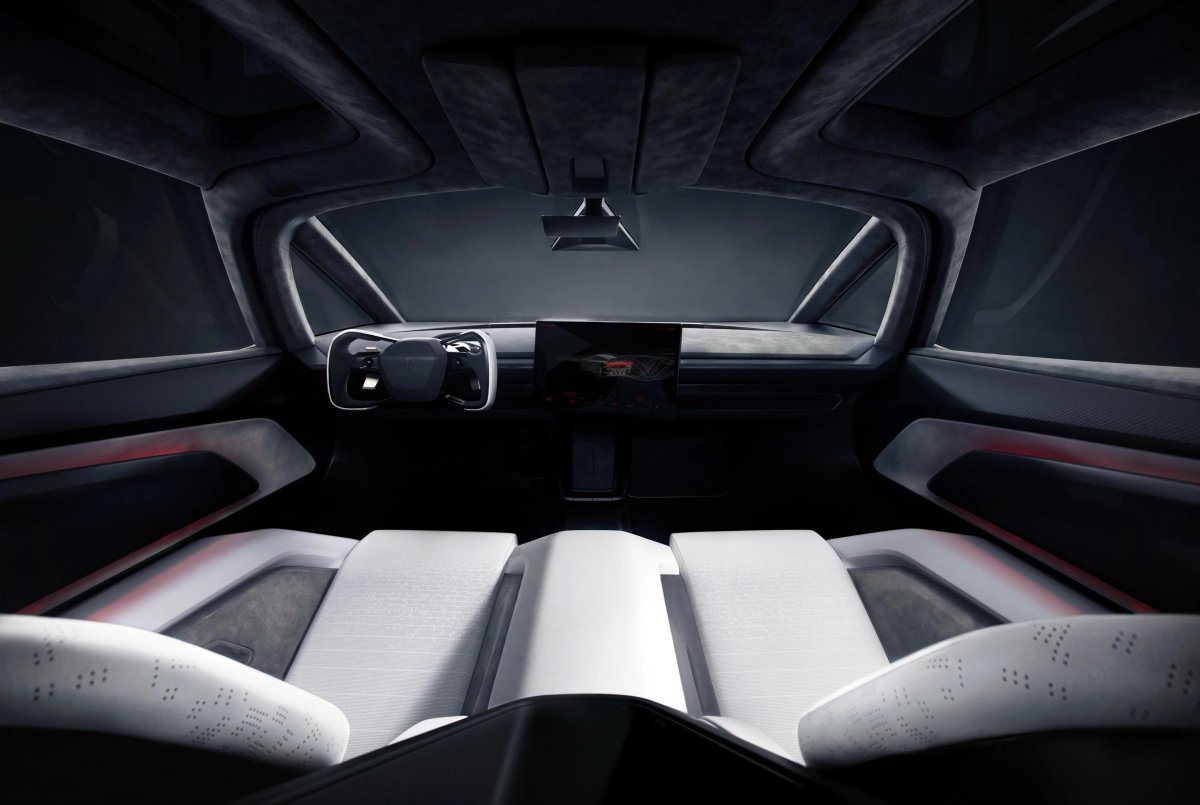
The original Roadster promised 2+2 seating and a removable glass roof. The new one is a two-seater, or a single-seater in Rocket trim, with seats molded into the chassis to save weight. It keeps a removable roof panel to turn it into a convertible.
Not a Tesla App
Tesla had to nix the rear seats to make room for the 200-liter Carbon Overwrapped Pressure Vessel that supplies compressed gas to the thruster system. The Rocket trim will have another 400-liter gas tank on top of that, so the front passenger seat had to go as well.
TopGear
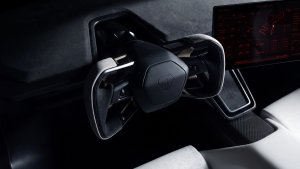
Inside, the Supersonic interior pairs Ultrawhite upholstery with gray microsuede bolsters. A steer-by-wire yoke sits in front of a center touchscreen and two smaller forward displays.
Not a Tesla App
Since the new Roadster is still a few years from production, small details could change. But Tesla’s latest look shows the overall design has moved firmly from the S3XY era into its Cyber era.
Tesla has extended its Robotaxi hours in Austin again. Rides are now available until midnight, bringing service hours to 6 a.m. through 12 a.m., as @ethanmckanna pointed out on X.
The Robotaxi app is also sending riders a notification about the change, informing them that rides are now available until midnight (via @aaronjcash).
The ultimate goal is uninterrupted 24/7 service. Tesla VP of AI Ashok Elluswamy has said FSD v15 will unlock round-the-clock Robotaxi operations, with a fleet-wide rollout to Robotaxi vehicles targeted for this month. FSD v15 is a 10x parameter upgrade, increasing the neural network to about 10 billion parameters from roughly one billion. As @ethanmckanna put it, “Seems like 24/7 isn’t far away.”
Not a Tesla App
What’s Standing in the Way of 24/7?
Nighttime driving is the main hurdle. Musk said earlier this month that the main thing Tesla is trying to solve is avoiding pets that are hard to see at night, describing the challenge as spotting “grey kittens on grey tarmac in the dark.” Adding an hour at a time suggests Tesla is easing into later hours while it works on that problem.
Tesla’s Robotaxi service is also facing federal scrutiny. NHTSA recently opened an inquiry into claims that Robotaxis sped through active school zones, covering about 1,000 Model Y and Cybercab vehicles. None of the four incidents NHTSA identified involved a crash or injury, and the agency hasn’t decided whether to open a formal investigation.
With service now ending at midnight, only a six-hour overnight window stands between Tesla and 24/7 Robotaxi rides. Whether that gap closes this month will likely depend on when FSD v15 reaches the Robotaxi fleet.


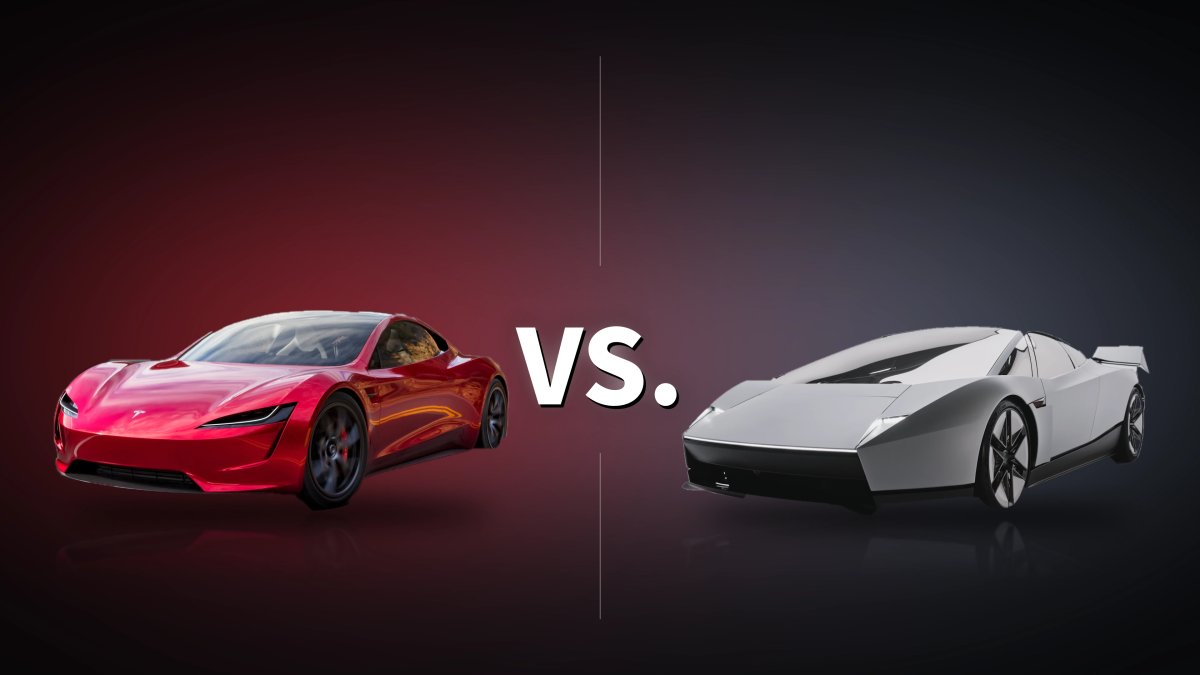

![Tesla Roadster Old vs. New: How the Design Changed [Photo Comparisons]](https://www.notateslaapp.com/img/containers/article_images/roadster/roadster_old_vs_new_design-2.webp/124f447298bfd2a0609c903539f68ff8/roadster_old_vs_new_design-2.jpg)
![Watch Tesla FSD Clear a Path for an Ambulance at a Red Light [VIDEO]](https://www.notateslaapp.com/img/containers/article_images/fsd-beta/tesla-fsd-vehicle-safety-report-hero.webp/b9228e7535af54aa32407f354fe24b17/tesla-fsd-vehicle-safety-report-hero.jpg)
![Tesla Had Its Own Category on 'Jeopardy!' in 2014 [VIDEO]](https://www.notateslaapp.com/img/containers/article_images/2026/tesla-on-jeopardy-board.webp/b395bd6dfb3d306265ff9af4b046b1df/tesla-on-jeopardy-board.jpg)