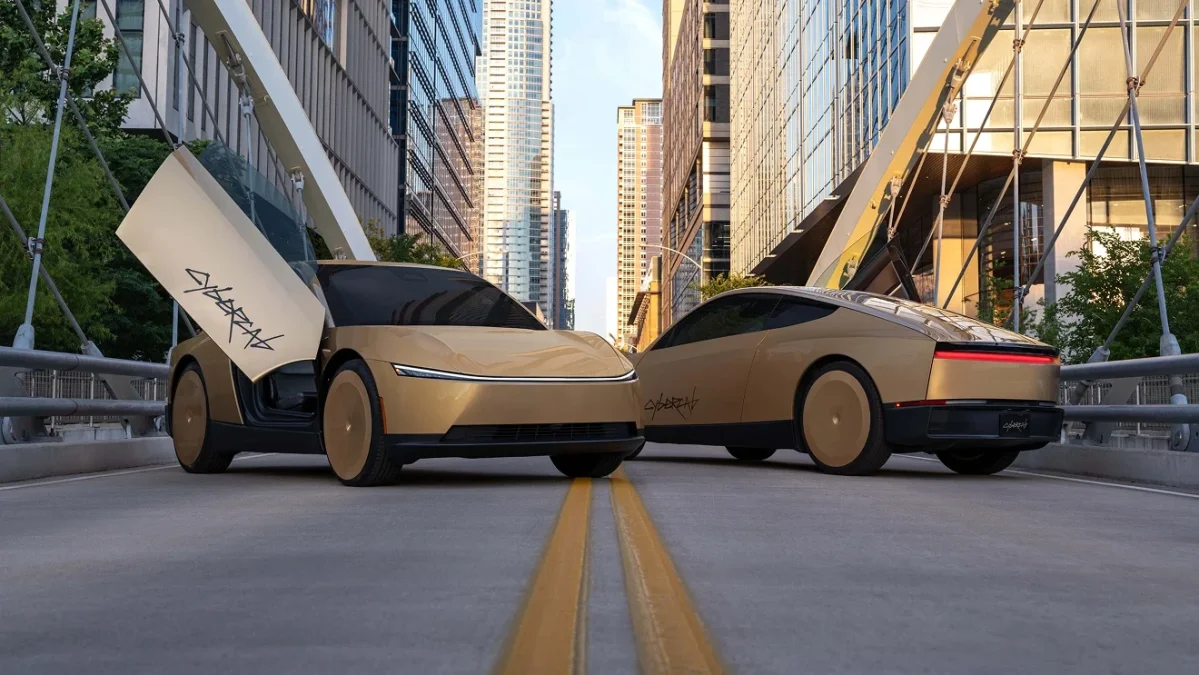

Munro Live has published its full deep dive into the Tesla Cybercab, including a teardown of the vehicle and a tour of the Cybercab production line at Giga Texas. The walkthrough was guided by VP of Vehicle Engineering Lars Moravy, Cybercab lead Eric Earley, and several members of the team behind Tesla’s purpose-built robotaxi.
The tour covered everything from the battery pack to final assembly. Here are the biggest takeaways.
A Battery Pack You Can Actually Repair
The biggest change is how the battery pack is built. The Cybercab still uses Tesla’s 4680 cells, but instead of potting them all into one structural block like the Model Y, it splits them into separate potted modules. If one module fails, Tesla can swap just that module instead of replacing the whole pack.
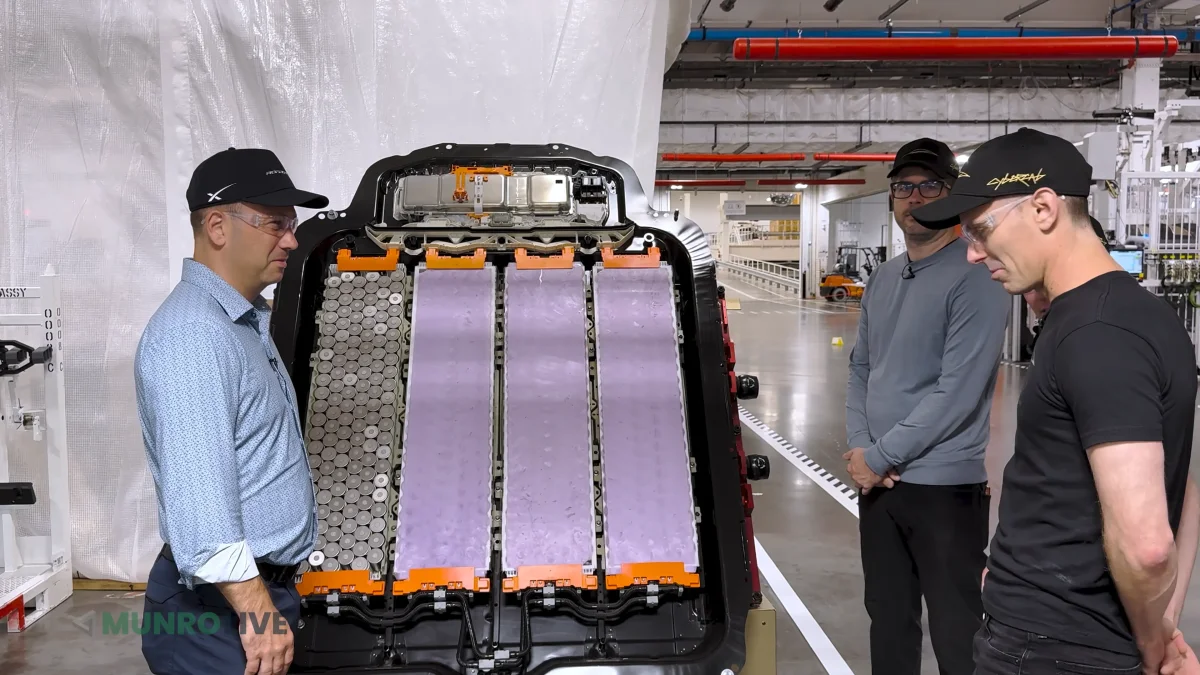
Tesla’s battery director was blunt about the old design. “I’m going to give our Model Y structural battery a grade D,” he said, calling it a great product for customers but hard and expensive to build. He gave the Cybertruck pack a B-minus and this one an A-minus. A fully structural pack fits about 10% more cells, but service costs made it a bad fit for a commercial robotaxi meant to operate 24/7. As Earley put it, “replacing an entire pack before half a million miles is a killer on cost.”
A few other changes stood out:
The pack enclosure is steel, a first for Tesla. It’s heavier, but steel costs about $1.90 per kilogram versus $5 to $8 for the alternatives, so Tesla says it still comes out ahead.
There’s extra room around and below the modules, partly because Tesla needed fewer cells than expected and partly to leave space for cheaper LFP cells later.
The battery management boards talk to each other wirelessly, which removes a wiring harness.
Tesla deleted the pyro fuse entirely and has filed a patent for the setup. Its new contactors can cut power quickly under load, and Tesla says many pyro fuse trips come from “low-speed crashes where the HV system is actually healthy,” which would otherwise mean a pack replacement.
The battery’s electronics are serviced from underneath, since Tesla’s data shows the cells are more reliable than the electronics around them.
A New Inverter That Could Reach the Model Y
The Cybercab is front-wheel drive and uses a new drive unit with an 11:1 gear ratio, up from the roughly 9:1 used in most Teslas, since it doesn’t need a high top speed. Its new inverter has fewer parts than the current one, and every component can be sourced from at least two suppliers.

According to Tesla’s head of drive units, Nick Verzani, the new inverter’s circuit board and power stage will ship from Fremont this year, and the whole unit can swap directly into a Model Y drive unit. When asked whether it’s actually going into the Model Y, Moravy said, “I plead the fifth.” Tesla also said the same unit goes into the Semi, so we could see Tesla upgrade the Model 3 and Model Y with it soon too.
Tesla is also cutting gear losses by 7% later this year with a new lubricant. The drive unit uses a cheaper mechanical oil pump, and the inverter can be serviced from the top without lifting the car or removing the drive unit.
No Paint Shop, and Built for 500,000 Miles
The Cybercab skips the paint shop entirely. Moravy said a paint line costs a few hundred million dollars and around a million man-hours to build. Tesla isn’t even e-coating the front and rear modules, since the aluminum alloys in its castings don’t weaken over time like other aluminum. Only the side modules, which use boron steel door rings for side-impact protection, get coated.

Instead, the body panels get their color during reaction injection molding, and Tesla says scratches can still be repaired like regular paint.
All of this is designed for a long life. Moravy said Tesla is doubling the vehicle’s useful life at minimum, adding that “the car is going to run half a million miles at least.”
Unboxed Manufacturing by the Numbers
Moravy said Tesla’s past automation efforts hit a wall because “the problem wasn’t the automation, the problem was the design.” The Cybercab’s unboxed manufacturing process breaks the car into front, rear, side, and center modules, which are built and tested separately before coming together, making it well-suited to automation.
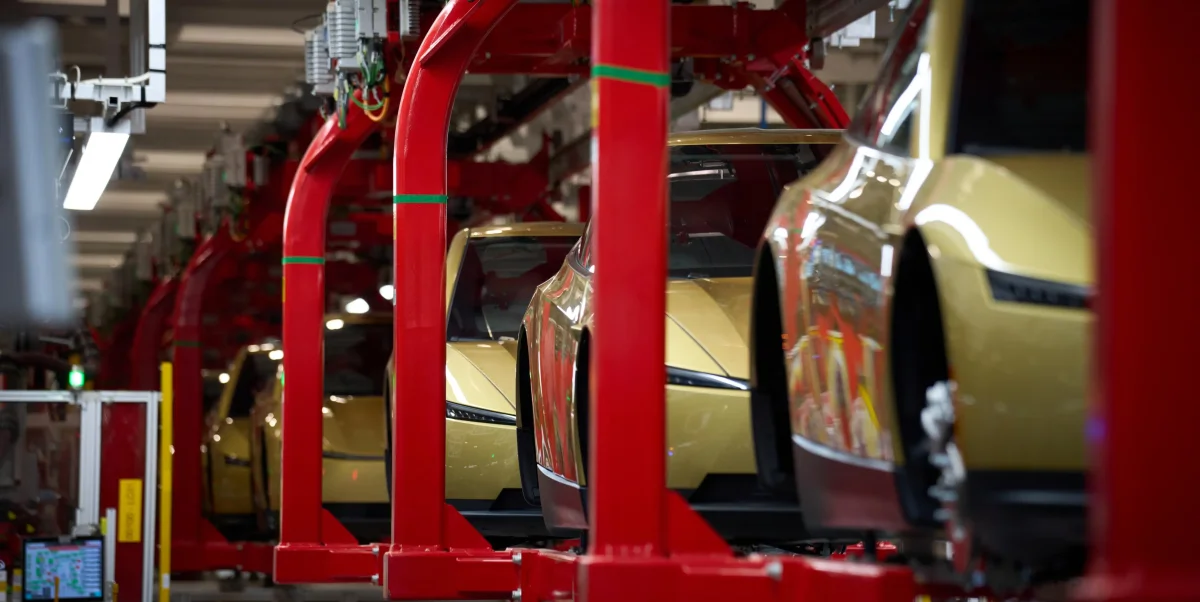
That leads to some big numbers:
Final assembly is just 25 fully automated stations, compared to roughly 5–10 times that on a Model Y line.
The whole line is about 78% automated, and Tesla is working toward 100%.
Unboxed manufacturing needs about 50% less floor space per vehicle.
The front module, which holds about half the car’s parts, sits on a pallet while the body is lowered on top of it.
It’s Tesla’s first brake-by-wire car, so the front and rear brakes can be tested separately.
The wheels go on at the second-to-last station, run by a robot named Hulk Hogan, so a Cybercab first touches the ground as it rolls off the line.
The line is so fast that it’s currently outpacing Robotaxi deployments, so it doesn’t run every day.
Gull-Wing Doors and Other Details
As for the gull-wing doors, Tesla admitted that “the fundamental reason was ‘cause it’s cool.” They do have some practical benefits, too. The seat height matches a standard wheelchair, the door opening upwards gives riders more room to swing their feet out, and it offers a bit of rain protection.

The thermal system was also redesigned. It moves most of the complexity to the coolant side, keeps the refrigerant loop sealed, and mounts the AC compressor directly to the Supermanifold. That makes it easier to service and to build with robots. Check out Munro Live’s full teardown and deep dive video below:
What’s Next
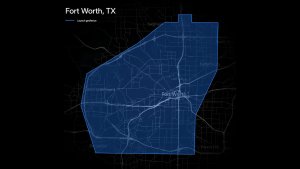
Tesla already has more than 300 Cybercabs operating in Austin, with Dallas rides expected to launch this month. It’s also aiming to deliver the first Cybercabs to customers before the end of the year.
With the production line already ahead of deployments and the new inverter set to ship from Fremont this year, some of the Cybercab’s engineering could show up in Tesla’s other vehicles soon.
Follow Us on Google
Add Not a Tesla App as a preferred source on Google to see more of our stories in Top Stories.
Add to Preferred SourcesOrdering a New Tesla?
Get FSD free for 3 months by using our referral code.