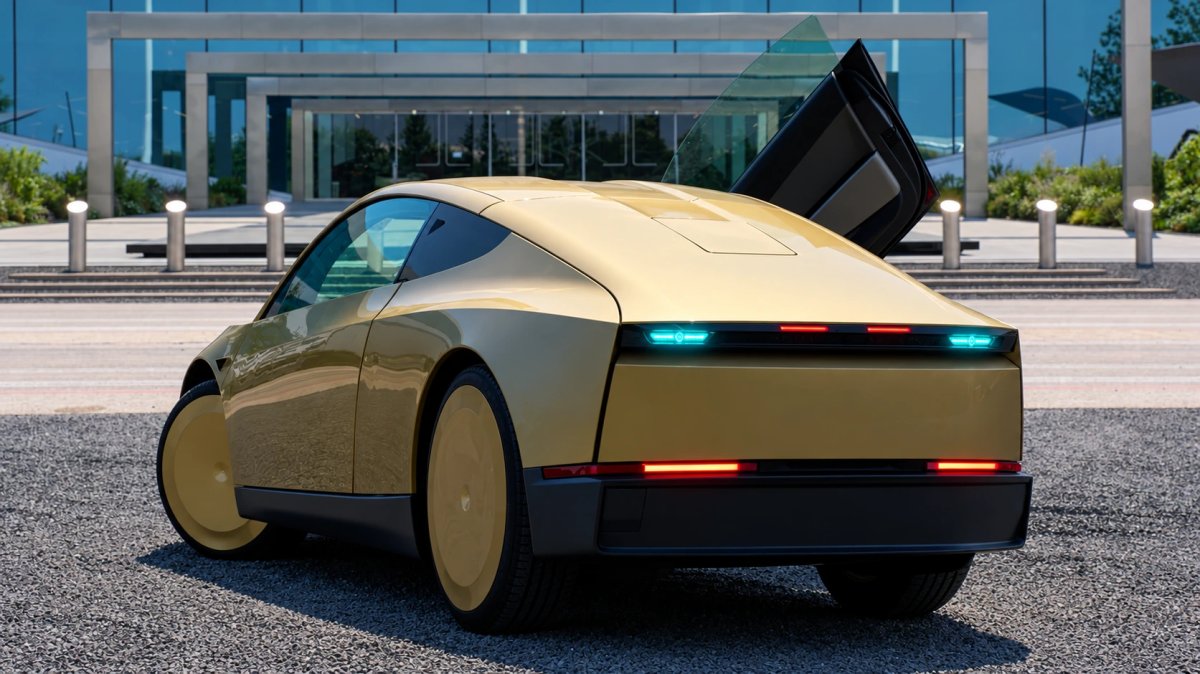
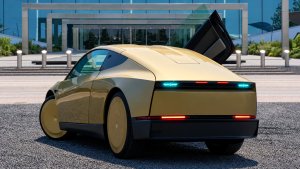
NHTSA wants to update federal lighting rules for cars that drive themselves. The agency has filed a proposed rule to modernize Federal Motor Vehicle Safety Standard (FMVSS) 108, the federal vehicle lighting standard, for autonomous vehicles without a steering wheel or pedals, like Tesla’s Cybercab. The headline change is a new set of optional cyan “ADS marker lamps” that would let people know a vehicle is driving itself.
The filing was spotted by @scotsrule08 on X. NHTSA’s proposed changes will be published in the Federal Register on October 26, followed by a 30-day comment period.
How the Cyan Lights Would Work
According to the filing, ADS marker lamps would be permitted but not required on passenger cars, multipurpose vehicles, trucks, and buses. Vehicles could use one or two cyan lamps on the front, on each side, and on the rear, all mounted at least 15 inches off the ground. A single front or rear lamp would sit on the vehicle’s centerline, while a pair would need to be at the same height and evenly spaced. Multiple-lamp arrangements beyond that wouldn’t be allowed.
The lamps would stay steadily lit rather than flash, and all of them would switch on and off together. They could turn on automatically when the vehicle is driving without anyone expected to watch the road, and they’d have to turn off when an occupant is expected to monitor it. In other words, they’re meant for true driverless operation, not FSD (Supervised). During Tesla’s Q3 earnings call earlier this week, Ashok Elluiswamy said unsupervised FSD could reach the first customer vehicles in Q2 2027.
Even if the rule is finalized, the lights stay optional, so automakers that don’t want them won’t have to add them.
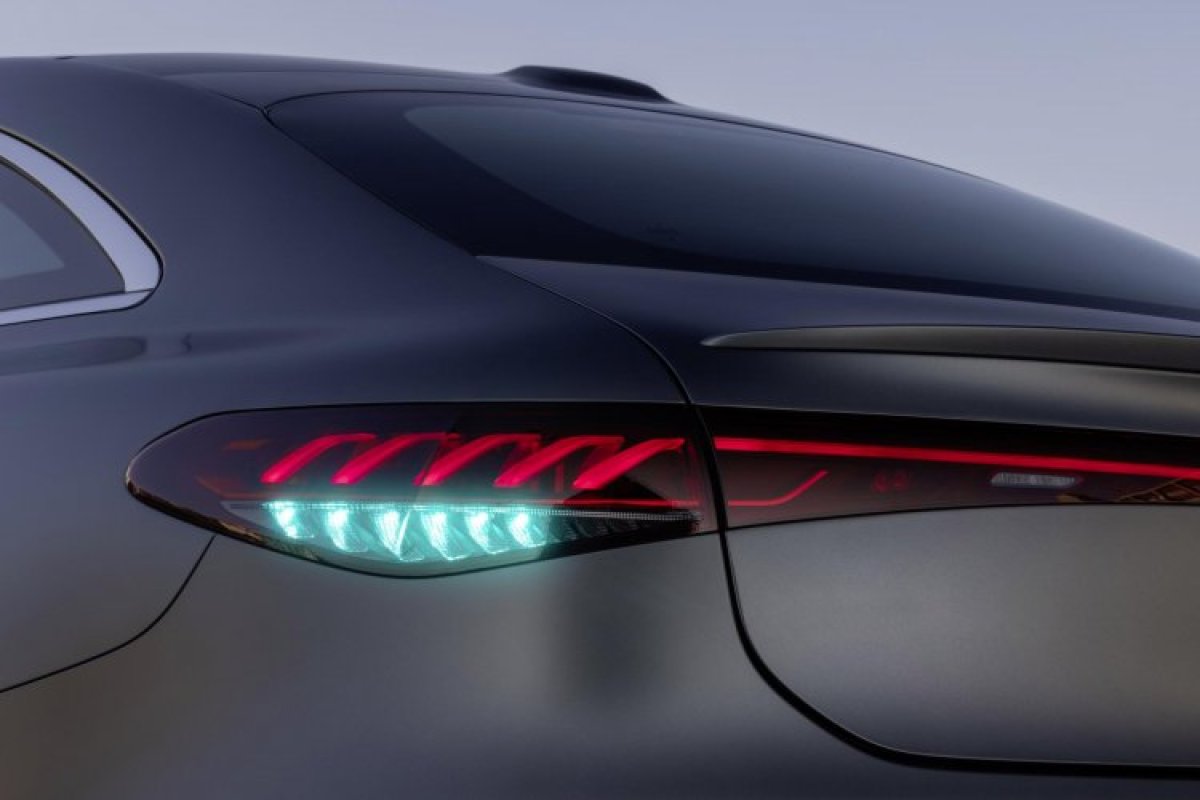
Mercedes tested similar turquoise lights for its Drive Pilot system between 2023 and 2025, though only with approval in California and Nevada. When we looked at whether Tesla should add a similar self-driving light, the upside was a common visual language and clear indicator for autonomous cars. The concerns were that the lights could make vehicles a target, or lead pedestrians and other drivers to take more risks around them.
Not a Tesla App
Other Changes in the Proposal
The cyan lamps are only part of the rule. Requirements for physical turn signal, hazard, and high-beam controls would apply only to vehicles with manual driving controls, letting the self-driving system in vehicles like the Cybercab handle those functions without traditional switches. Some dashboard indicators for turn signals and high beams would also go away in these vehicles.
NHTSA is also dropping old restrictions on vertical headlight layouts and would allow integrated headlights to be tested at manufacturer-specified voltages rather than only 12.8 volts. The proposal builds on NHTSA’s earlier move to drop the manual brake pedal requirement for vehicles driven exclusively by an automated system.
Once the comment period closes in late November, NHTSA will still need to finalize the rule. If it passes, Cybercab’s lighting would have a clearer federal path, whether or not Tesla decides to add the cyan lights.
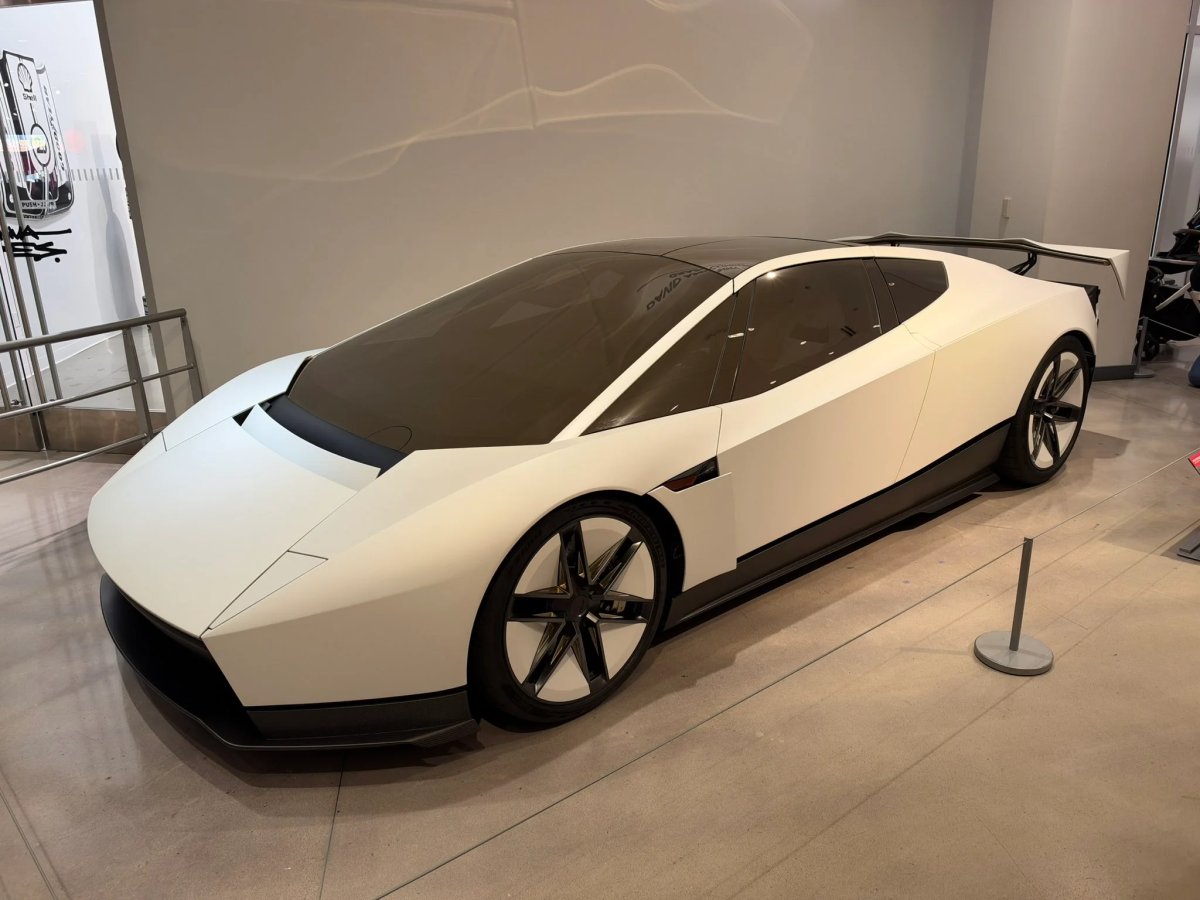
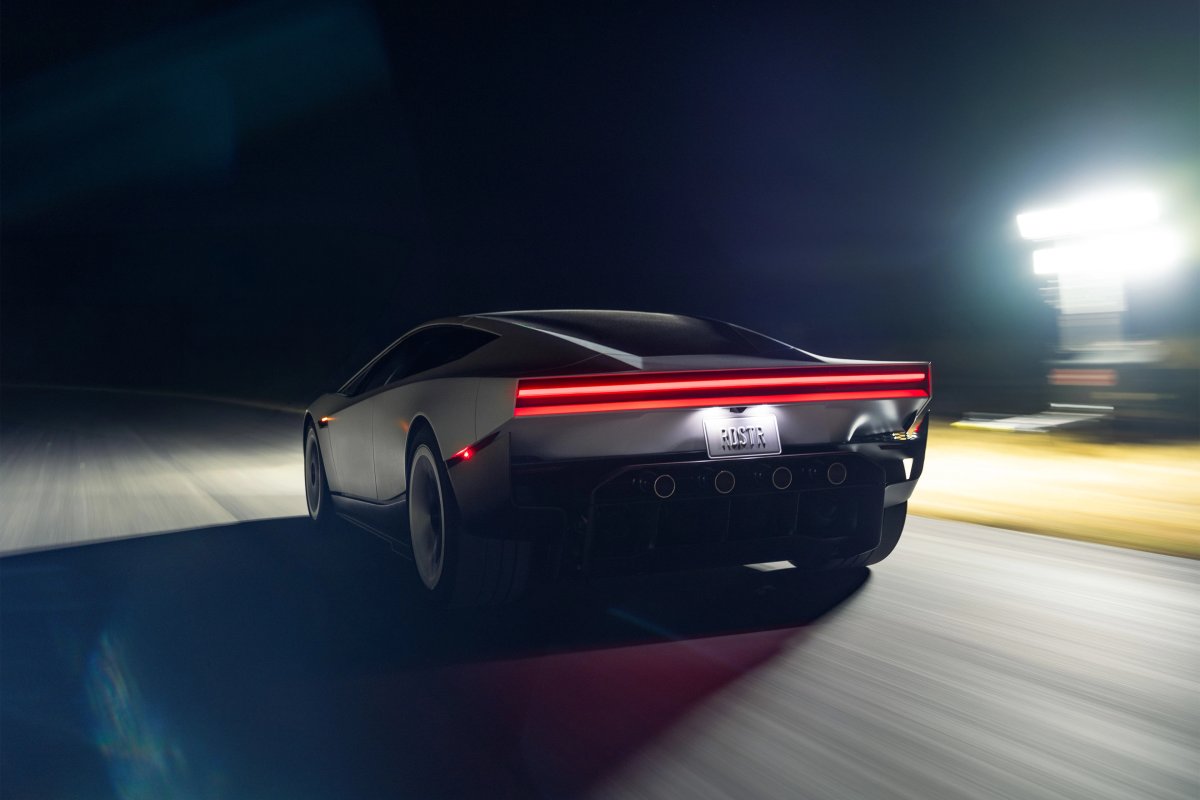
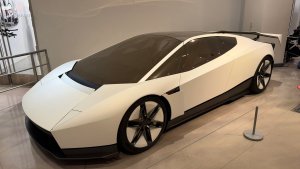
If you’re in Los Angeles this weekend, you can see Tesla’s new Roadster in person. Tesla announced on X that the Roadster is on display at the Petersen Automotive Museum, with the exhibit running from October 24 to 27 in the Main Lobby.
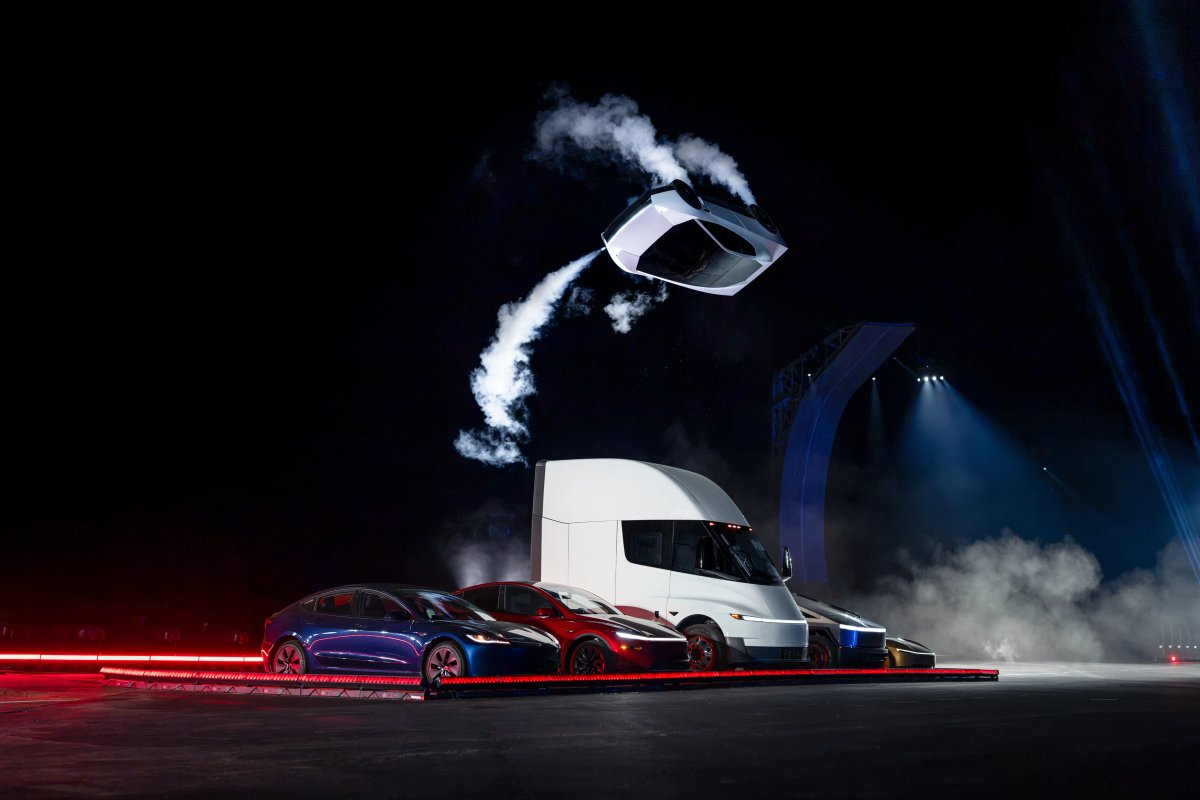
It’s the first chance for the public to see the new Roadster since Tesla unveiled it at SpaceX’s test site in McGregor, Texas, earlier this month. The car is only there through Tuesday, so there isn’t much time to stop by.
Tesla plans four versions of the Roadster. The standard car makes 1 MW, or about 1,340 hp. Performance adds suction fans, adaptive suspension, and more torque for a 0-60 time under 1.6 seconds. Thrust adds a 200-liter cold-gas thruster system with four rear nozzles, cutting 0-60 to under 0.9 seconds. Rocket is invite-only, seats just one, and adds six more nozzles and a bigger tank so it can actually fly and maneuver in the air. We’ve covered each trim’s specs, pricing, and performance in more detail.
The Thrust is also the trim that original Founders Series reservations were converted to. As noted in the museum’s description of the exhibit, the Roadster with its cold-gas thrusters hit 0-60 mph in under one second at the unveiling — 0.81 seconds, to be precise.
Not a Tesla App
Look, But Don’t Touch
The Petersen’s exhibit page calls the Roadster Tesla’s “last best driver’s car.” It also highlights the active aero and fan-driven suction system that let it create an additional 2Gs of downforce to stick to surfaces upside down, even when standing still.
Don’t expect to climb inside, though. The exhibit is roped off, so visitors can only look and take photos. That’s a step back from the reveal event, where several attendees got up close and even sat in the car. You’ll also notice the prototype has no side mirrors, though Tesla says U.S. production cars will have them.
What’s Next for Roadster
Production is set to begin in 2028. Reservations currently require a refundable $50,000 deposit for Performance and $250,000 for Thrust. With Tesla taking the Roadster on the road this soon after its reveal, it wouldn’t be surprising to see it at more museums or showrooms in the months ahead.