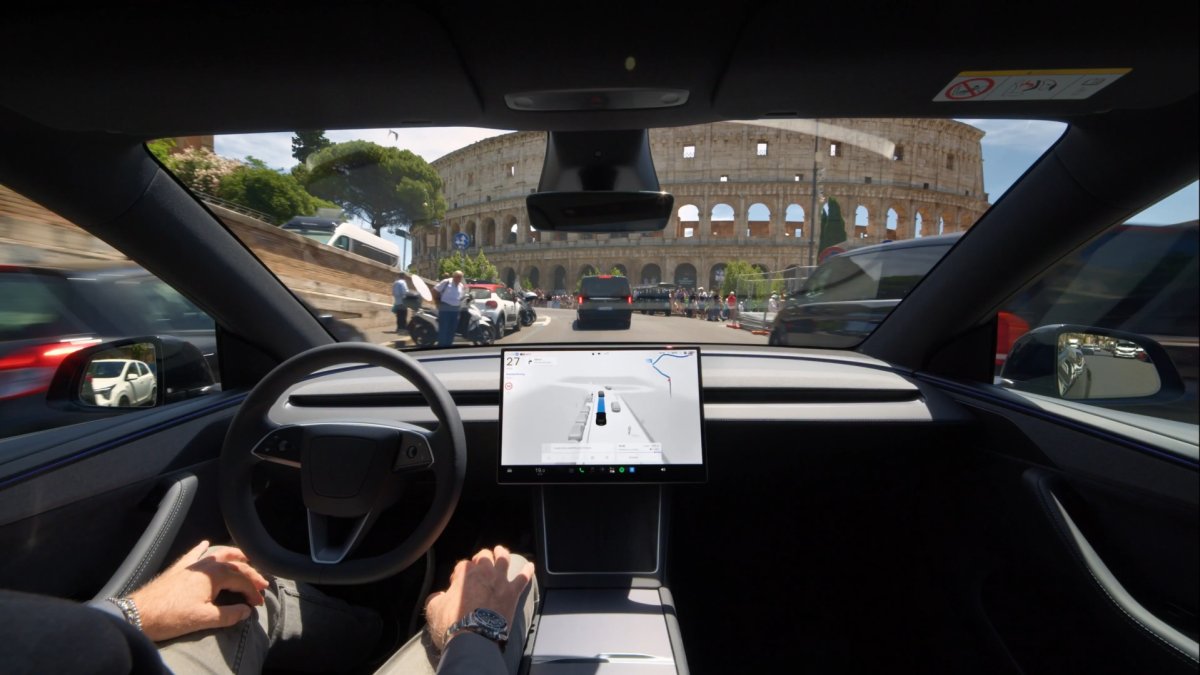
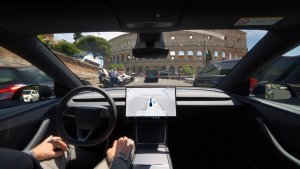
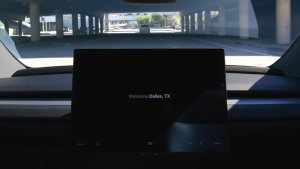
Italy has officially approved Tesla Assisted Driving (TAD), making it the 12th EU country to allow the system formerly known as FSD (Supervised). Tesla Europe announced the news on X, adding that the rollout will begin soon.
Like most approvals so far, Italy’s approval builds on the framework the Dutch RDW created when it approved FSD in the Netherlands back in April, becoming the first European regulator to endorse the system. Tesla’s approval application uses an exemption under Article 39 of EU regulations, which covers new technologies that don’t fit existing rules.
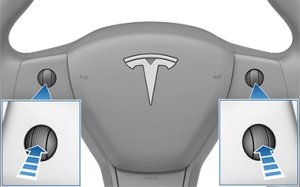
The RDW has also approved another round of TAD changes that are set to go live soon. These include earlier inattention warnings, new max speed alerts, and a requirement to keep your hands on the wheel at speeds above 130 km/h (81 mph).
Not a Tesla App
The Road to EU-Wide Approval
The EU’s Technical Committee for Motor Vehicles (TCMV) is expected to vote on bloc-wide approval in December. To pass, TAD needs support from at least 15 member states representing 65% of the EU’s population.
That makes France a key vote. In July, France said FSD wasn’t safe enough to approve in its current form, pointing to speeding and inadequate driver attention requirements, though it has since started testing the system on public roads. Sweden has told the EU to vote no unless Tesla removes the ability to exceed speed limits, and road safety groups like the European Transport Safety Council have also opposed the old +50% Speed Offset.
Tesla’s recent changes address many of those concerns directly, so December’s vote should show whether they were enough.
Not a Tesla App
Where Tesla Assisted Driving Is Approved in the EU
With Italy’s approval, TAD is now approved in 12 EU member states. Here’s every EU country where it’s approved so far, in the order they gave the green light:
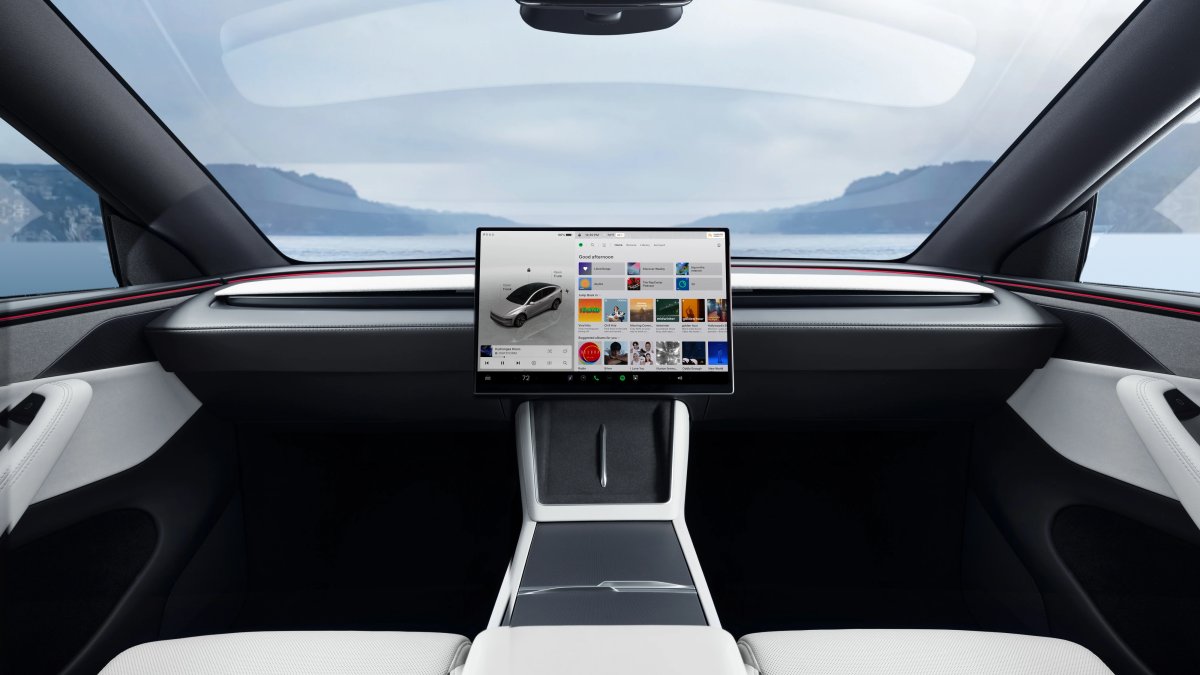
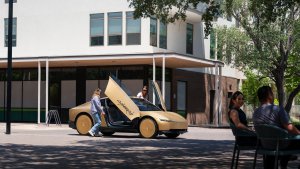
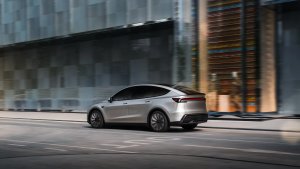
This is a render of what an autonomous Model Y L without a steering wheel, pedals, or side mirrors could look like.
Not a Tesla App
The Cybercab won’t be Tesla’s only vehicle without a steering wheel. In his interview at The New York Times’ DealBook Summit, Elon Musk said Tesla plans to build an autonomous version of the Model Y that “wouldn’t have steering wheels and pedals,” designed for “transporting groups of six or seven people.”
Musk made the comment right after saying Tesla should move all Model Y production to the Model Y L. The interviewer asked whether Tesla would keep selling cars or just build robotaxis. Musk didn’t give a direct answer, but he did explain where the Cybercab fits and where it doesn’t.
Why a Bigger Autonomous Vehicle
According to Musk, the average ride carries about 1.2 people, so the two-seat Cybercab covers about 90% of all passenger miles driven. That still leaves families and larger groups, which is where the steering wheel-less Model Y would come in.
Musk only said “Model Y,” but he’s most likely talking about the Model Y L. He mentioned groups of four, six, or seven people, and the only Teslas that can seat that many are the Model X, older seven-seat Model Y configurations (which are notoriously not the most comfortable), and the six-seat Model Y L. The Model Y L can technically fit seven if three kids squeeze into the third row.
Not a Tesla App
Until now, Tesla has said that Robotaxi riders who need more than two seats would be able to hail a Model Y or Model X. But Tesla ended Model S and Model X production earlier this year to make room for Optimus. Meanwhile, the Model Y L offers a lot more room than the regular Model Y, along with efficiency upgrades like faster cabin cooling and better range in hot weather, both of which would help in an autonomous fleet setting.
Then there’s camera cleaning. The Cybercab has washers for each of its external cameras, since there’s no driver to step in when a camera gets dirty. The Model Y L only has a washer for its front bumper camera, so Tesla would likely need to add washers to the rest of its cameras. If it does, that change could make its way to the regular Model Y L that customers already drive.
Musk didn’t give a timeline, and Tesla is still ramping up Cybercab production while also developing a silver Cybercab with a smaller battery but similar range thanks to efficiency improvements. For now, an autonomous Model Y L looks like the most likely way Tesla will handle larger groups of Robotaxi riders.