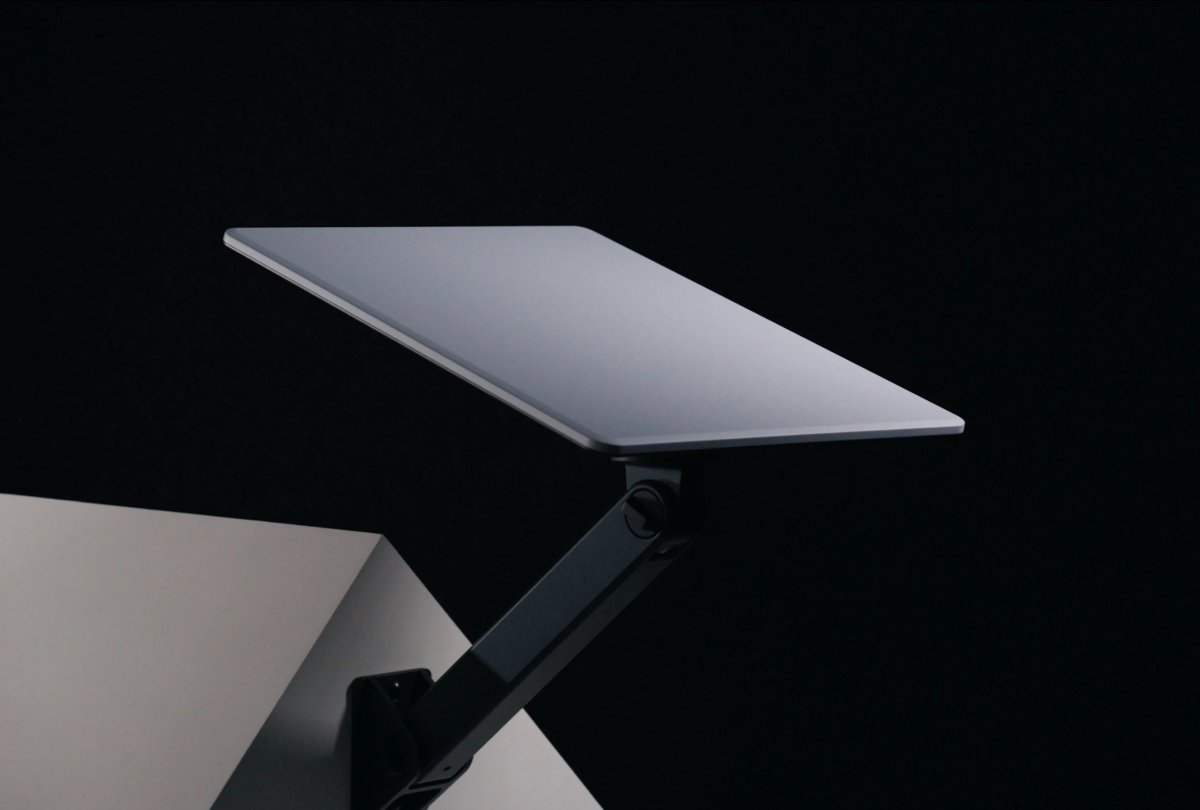
SpaceX wants Starlink Mobile to work indoors, too. At The New York Times’ DealBook Summit, Elon Musk said SpaceX has designed a small “microcell tower thing” that “you could just put on your roof” like a Starlink dish, and it’s going into production next year.
Fixing the Indoor Problem
Starlink’s direct-to-cell satellites already connect to regular phones, and Musk said the V2 constellation launching next year will offer about 40 times the bandwidth of the current generation. But signals from space have trouble getting through buildings, especially ones with metal roofs.
Instead of relying on big cell towers on the ground, Musk said SpaceX plans to scatter lots of small microcell sites across densely populated areas, possibly bundled with Starlink terminals. They would use the 800 MHz spectrum SpaceX recently agreed to buy from Grain Management, which is better at reaching indoors.
Mating Satellites and Ground Coverage
The microcell stations are part of a bigger plan to turn Starlink Mobile into a full-blown U.S. carrier. SpaceX recently struck a deal with Qualcomm to power base stations for a nationwide 5G network covering tens of thousands of sites, starting in 2027. Ground sites would cover cities, while satellites fill in everywhere else.
Musk said he doesn’t think this will put AT&T or Verizon out of business, though they may lose some revenue. He expects demand for bandwidth to grow a lot, driven mostly by AI and robots.
That could matter for Tesla, too. With both companies’ boards exploring a possible Tesla-SpaceX merger, Starlink could one day connect Tesla vehicles and Optimus robots. For now, the 800 MHz spectrum deal still needs FCC approval, and SpaceX’s next-gen direct-to-cell satellites are due in mid-2027.
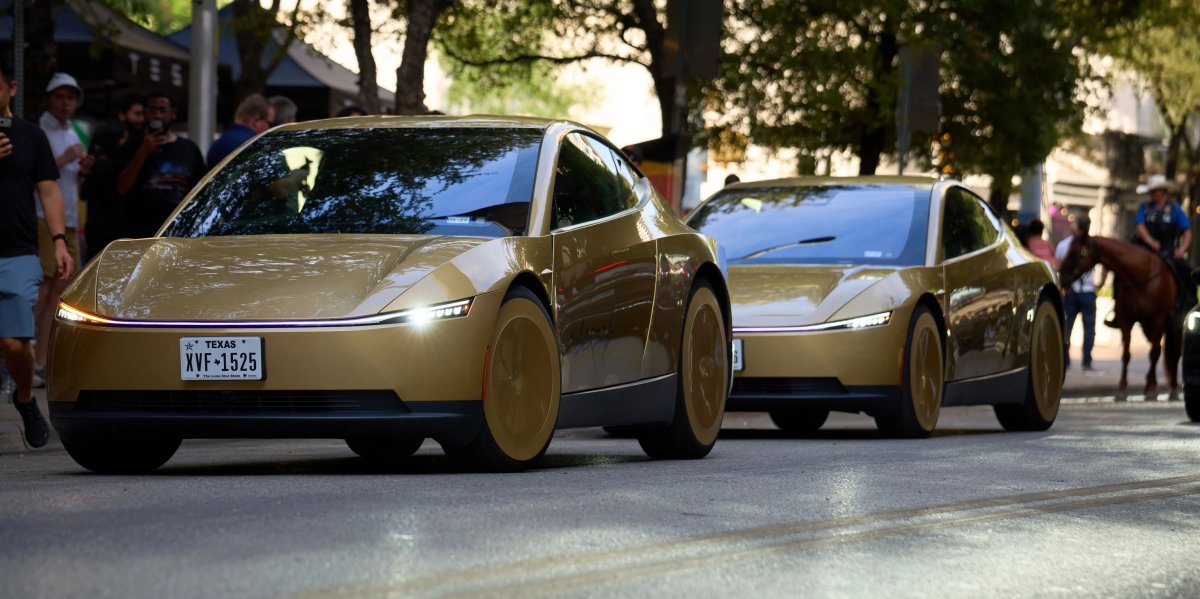
Tesla has now registered more than 1,000 Cybercabs in Texas. According to Texas DMV data shared by Sawyer Merritt, Tesla celebrated Thanksgiving this year by registering a record 285 Cybercabs, bringing its total to 1,107.
That’s the biggest one-day jump in Cybercab registrations so far, and it’s the first time Tesla has crossed the 1,000 mark.
Registered, Not Necessarily on the Road
These numbers count how many Cybercabs Tesla has registered with the Texas DMV, not how many are giving rides right now. Still, they give a good idea of how quickly the fleet is growing.
Tesla’s fleet won’t be the only Cybercabs on the road for long. Tesla has started selling Cybercabs to select customers in Texas, and Elon Musk said Cybercab sales will go nationwide as regulators approve them. First deliveries are expected next month.
With registrations climbing this fast, Cybercab could reach more active Robotaxi markets in Texas, like Houston, San Antonio, and Fort Worth, sooner rather than later.