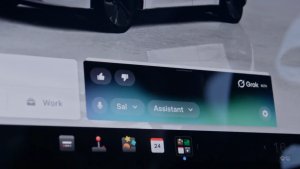
Earlier this year Tesla integrated WeChat applets, or mini-programs, as part of their holiday update in China. This move has sparked curiosity and speculation about whether these applets are a sneak peek into Tesla's long-rumored app store. To understand the significance of this development, let's first explore what WeChat and its applets are and how they function.
What is WeChat and Applets?
WeChat is a popular messaging, social media, and mobile payment app developed by Tencent, a Chinese technology company. It offers various features, such as messaging, voice and video calls, social media sharing, mobile payments, official accounts for brands and public figures, and location-based services. Since its launch in 2011, WeChat has become an essential app for millions of users, particularly in China, where it has integrated into various aspects of daily life.
WeChat applets, also known as WeChat mini-programs, are lightweight applications that run within the WeChat platform. These applets offer various functionalities and services, similar to standalone apps, but without users needing to download or install them separately. They are designed to load quickly and integrate seamlessly with the platform, providing a smooth user experience.
Tesla's WeChat Applets in Action
Below you can view Tesla's extensive applets available through WeChat that offer video streaming, audio books, flight tracking and more. Huge thanks to one of our readers who recorded this video for us.
Tesla New Year Update
In the context of Tesla's New Year update for the Chinese market, these WeChat applets have been integrated into the Tesla OS, offering extensive features that behave like apps. The applets function like websites, but their app-like behavior comes from their seamless integration with the vehicle. For example, when users tap an audiobook within an applet, it will play the audio through the car's music player, showcasing the applets' app-like functionality.
Tesla's move towards applets is likely inspired by Progressive Web Apps (PWAs), a standard for developing websites that can be installed, made available offline, and have app icons and assets saved instead of being loaded each time. This approach could be a strategic move for Tesla as they plan to develop their app store.
Easier Developer Access
By leveraging existing PWAs like Twitter, Tesla could quickly offer a range of popular apps upon launch, making it easy for developers to add their apps to Tesla's platform. As PWAs gain popularity, the Tesla app store will continue to grow, offering more variety to Tesla users.
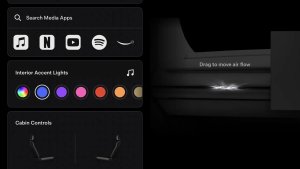
As we reported more than a year ago, Tesla is actively developing an app store for its vehicles, rumored to be released this year. Concept designer DeleetDesigns even offered a vision of what a Tesla app store could look like.
A Tesla app store is an exciting prospect, but it may differ from traditional app stores like Apple's or Google's. Tesla is likely to focus on apps well-suited for use in a car rather than replicating the smartphone experience.
Do Tesla Have the Computing Power?
For the Tesla app store to succeed, it must leverage the benefits of the car's larger screen and integration with the vehicle. Tesla will likely build developer tools to enable the creation of apps that integrate into their OS, such as SiriusXM, YouTube Music, and video streaming apps like YouTube TV and Amazon Prime Video.
Moreover, the Tesla app store could enable developers to port additional games to Tesla vehicles, offering owners a wider range of gaming options.
An app store would be a significant win for Tesla, allowing them to offload the development of entertainment apps to other companies while freeing up engineers' time and providing owners with the desired apps.
However, running apps like those on smartphones and tablets would require a more capable processor than most Teslas. Only MCU 3-equipped vehicles would likely support such an app store, which only became available in late 2021. Tesla's WeChat applets require the Ryzen processor in MCU 3, and if Tesla does offer more web-based apps, the requirement may remain.
Tesla's integration of WeChat Applets in China may indicate the company's progress towards an app store. Although we should adjust our expectations for what a Tesla app store will entail, it's an exciting development that could greatly enhance the Tesla experience.