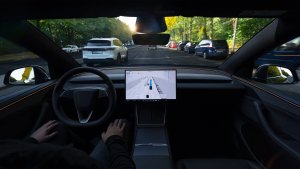
Following the latest meeting of the United Nations Economic Commission for Europe (UNECE), which decides safety regulations for vehicles, it seems that Tesla will be facing further delays and regulatory hurdles in Europe. The Telegraph in the UK reported on this story yesterday following the conclusion of UNECE discussions.
Tesla has been waiting for regulatory approval in Europe, which would pave the way for wider FSD deployment across the EU and other countries that adhere to UNECE regulations.
Regulatory Shut Down
The latest round of delays stems from efforts by the UK, Norway, Sweden, and the Netherlands to push for additional testing and trials of autonomous systems. Progress toward approving vehicle autonomy in Europe has faced repeated setbacks, and this latest hurdle casts further doubt on the prospects for European customers awaiting FSD.
Regulatory changes that initially seemed on track to ease restrictions were stalled in September 2024 when the UK’s Department for Transport raised concerns, stating:
“While [a driver assistance system] may help reduce collisions, it may also introduce new safety risks.”
This perspective sounds like it comes from someone who has never actually used an advanced driver assist system—whether from Tesla or its competitors.
The UNECE, which oversees vehicle regulations in Europe, is set to meet again in June and November. However, based on the agenda from the most recent session, autonomy does not appear to be on the docket for the June meeting.
What This Means for FSD in Europe
Simply put, FSD isn’t coming to Europe anytime soon. While Tesla has some potential workarounds, none are ideal.
One option would be for Tesla to pursue regulatory exemptions on a nation-by-nation basis—requesting approval for each and every FSD feature separately. That means filing exemptions for lane changes, left and right turns, highway exits, and countless other functions. The bureaucratic process would be exhausting, requiring approval from each country individually.
Alternatively, Tesla could release a heavily restricted version of FSD that complies with current UNECE regulations. However, this would likely make the system impractical, as drivers would have to manually confirm every single action—down to something as simple as adjusting speed—using a physical button press.
For now, Europe’s regulatory framework remains a major roadblock to autonomy. Unless there’s a significant shift in policy, it’s unlikely that FSD will launch in Europe in 2025 as planned.
Follow Us on Google
Add Not a Tesla App as a preferred source on Google to see more of our stories in Top Stories.
Add to Preferred SourcesOrdering a New Tesla?
Get FSD free for 3 months by using our referral code.